Creating your own wine and becoming a winemaker is a dream shared by many enthusiasts. We often associate the role of a winemaker with owning land, vines, and a cellar. Yet it is entirely possible to make wine without owning a single parcel. More and more entrepreneurs are embracing the adventure. How? Here are three detailed models, with their specificities, advantages, and constraints.
1. Becoming a Winemaker: Acquiring Vineyards and Equipment
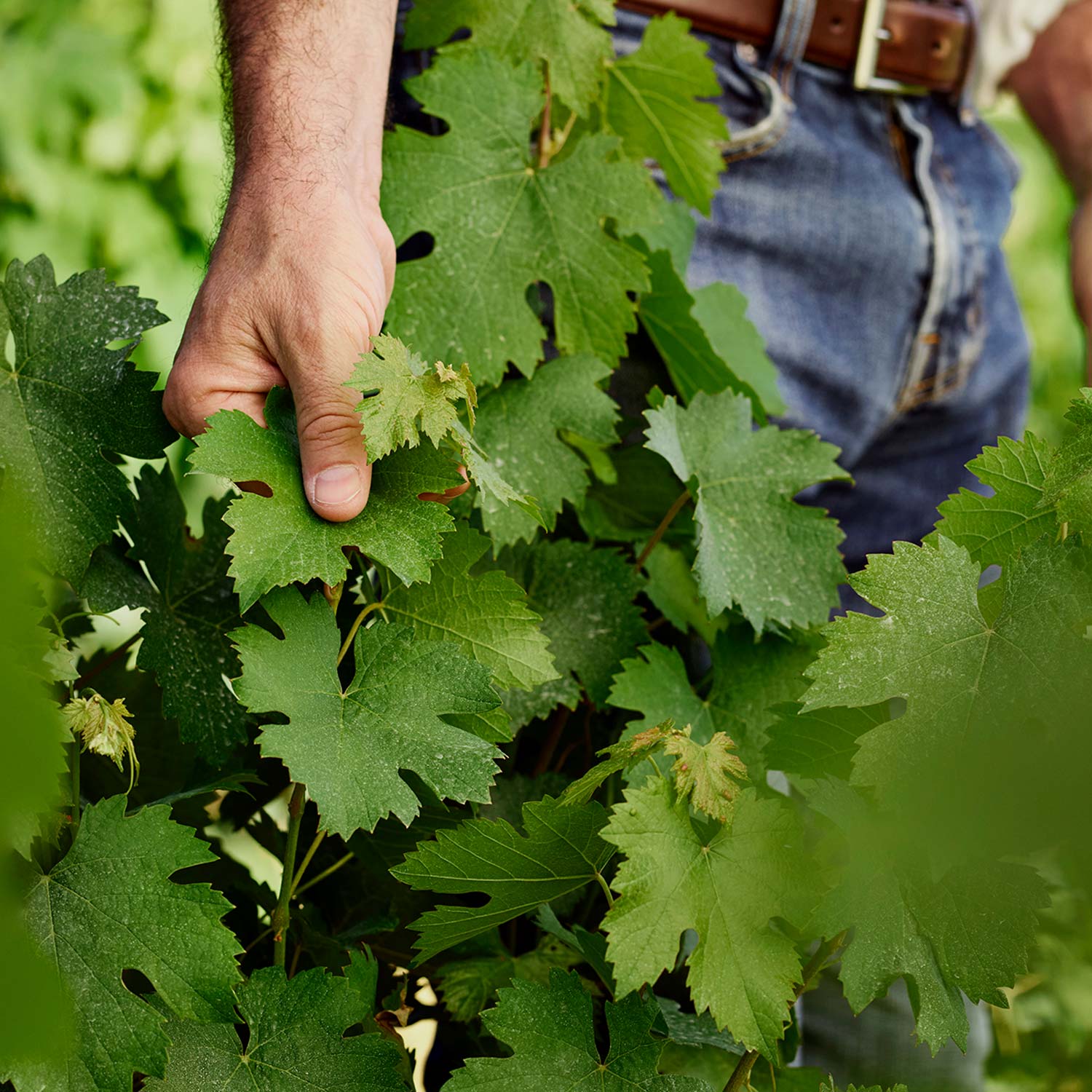
This is the most well-known model for making wine and also the most demanding. The quality of a wine depends above all on the quality of the grapes, shaped by soil, climate, grape varieties, and viticultural practices. Work in the vineyard takes place throughout the entire year. Depending on the season, the winemaker trims, prunes, debuds, removes leaves… until harvest time during the grape harvest season, before starting the winemaking process.
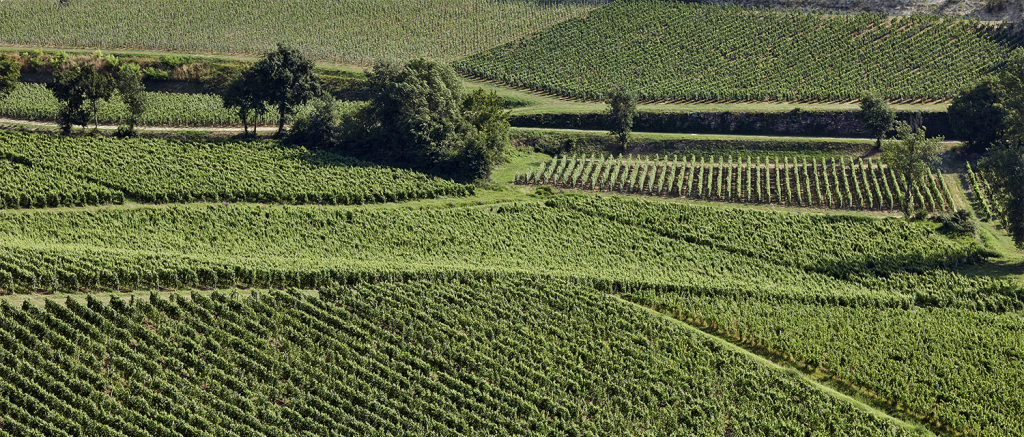
This model involves purchasing or renting a vineyard, as well as investing in a fully equipped cellar (press, tanks, barrels, pump, etc.), committing to a long-term project, mastering viticulture and oenology, and adapting to climatic hazards (frost, hail, drought, etc.).
Certainly, this approach offers complete control over the entire process, from vine to bottle. However, the investment is substantial, even for small volumes, especially when it comes to making Bordeaux wine (cost of land, long profitability timeline, etc.). It should also be noted that creating your own wine is a regulated activity: customs declarations, traceability, hygiene rules, and more. Before embarking on such a project, it is strongly recommended to undergo training or seek guidance from an expert.
2. Making Wine Differently: Buying Grapes and Using Custom Winemaking Services
This alternative resembles traditional winemaking, with the difference that you do not grow the vines yourself. In this case, the winemaker buys grapes directly from one or several growers at harvest time — selection (terroir, maturity, sorting) becomes essential — then vinifies the grapes using their own means.
Two options are available: vinifying the grapes yourself, by purchasing or renting a cellar, or entrusting this stage to a service provider, what is known as custom crush winemaking.
This model requires technical and logistical expertise to make wine: quick transport of grapes after harvest, equipment choices, temperature management, etc. It offers a degree of flexibility and allows one to learn, build a network, and limit financial risk.
Let’s talk wine!
The term “custom crush winemaking” refers to a winemaking service carried out by a third party, using grapes owned by a client (often a grower without a cellar or a wine merchant).
This legally regulated practice exists in all French wine regions, including Bordeaux, and allows new entrepreneurs to launch a brand without immediately investing in an estate.
3. Creating Your Own Wine from Must or Finished Wine in élevage: The Négociant Vinificateur
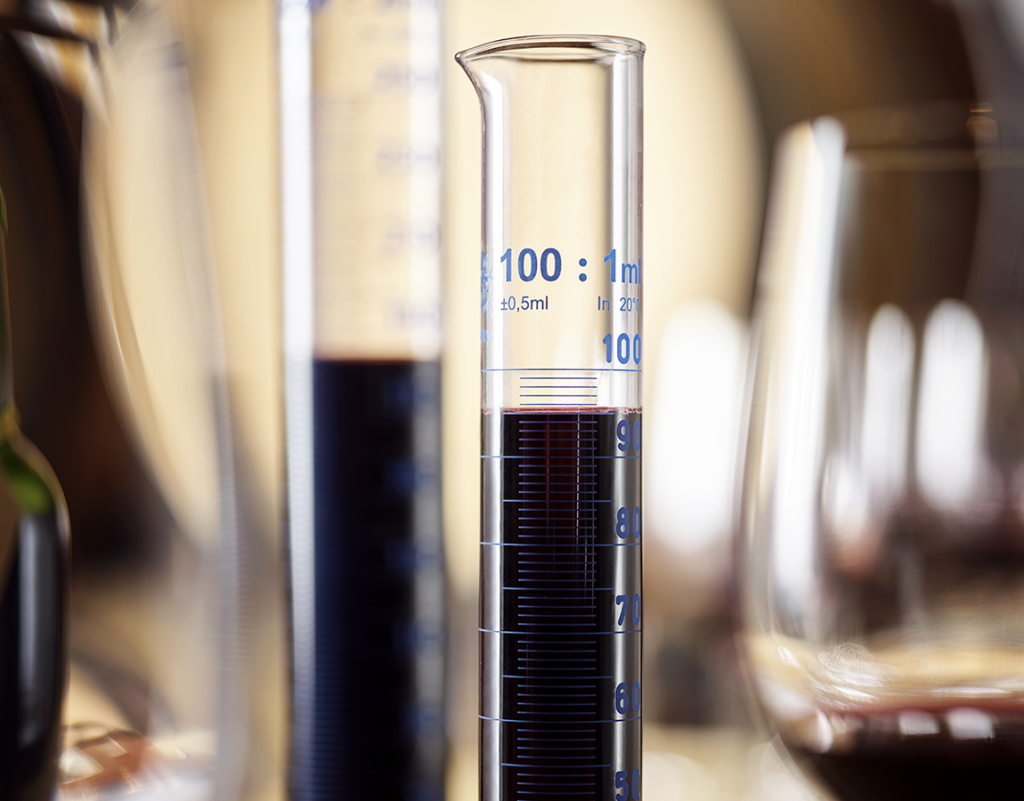
The final approach involves purchasing must, freshly pressed grape juice, directly from cooperative cellars or partner winemakers, then managing the remainder of the process: fermentation, aging, and commercialization. This model is the core activity of the négociant-vinificateur, a cost-effective option for those wishing to learn how to become a winemaker.
The wine merchant may also choose to work from finished wine still undergoing élevage, meaning wines for which fermentation is complete, but which are still maturing before bottling. This alternative to must offers greater stability (as the product has already fermented) but comes at a higher purchase price.
Working from must or from finished wine in élevage enables a more creative approach. By working with several suppliers from different parcels and appellations, the merchant can create their own wine by composing unique blends according to their taste.
This method makes it possible to make wine while freeing oneself from the constraints of an estate (no vines to manage, no harvest to organize), and provides great freedom in terms of blends, styles, and production volumes. It is an ideal solution for wine entrepreneurs who want to focus on creation while relying on strong partnerships.
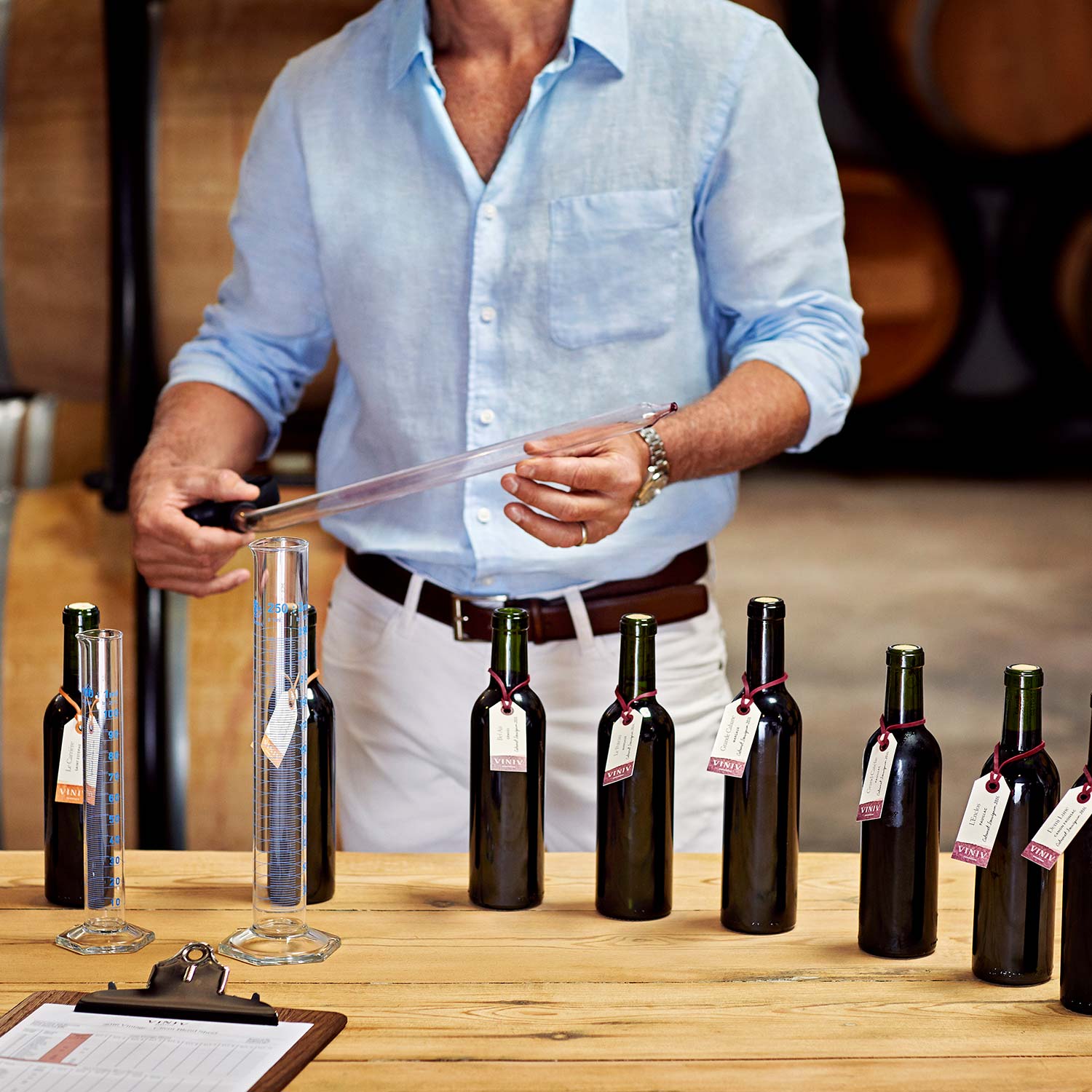
This is exactly what the VINIV experience offers: our teams source wines in élevage from trusted partners and help each VINIV member identify their preferences, understand the art of blending, and create their own Bordeaux wine.
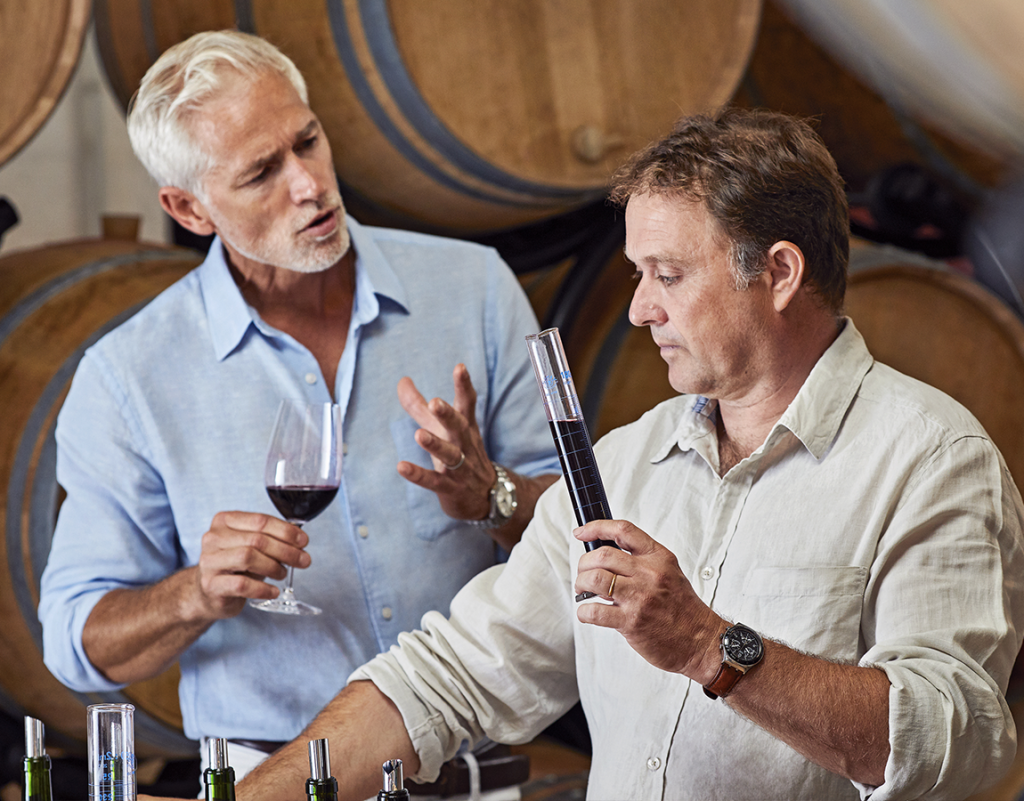
Whether you choose to invest in and own vines, work from carefully selected grapes, or start from must, the essential thing is to make clear choices, build a strong network of partners, and always remember that making wine is above all a passion.
By taking part in the VINIV experience, you can live this passion for Bordeaux wines fully and without constraints, supported by a technical team and the expertise of the oenologists from Châteaux Lynch-Bages, Ormes de Pez, and Haut-Batailley.
By Marion Clerc, Le Stylo Vert, with the expertise of Nicolas Lainé, VINIV.