When a Bordeaux wine leaves the tank, it is still a work in progress: its balance has yet to be defined. Wine blending allows the winemaker to reveal the wine’s full complexity. It is an exercise that demands rigor and close attention to detail. Blending defines the style of a wine estate while adapting to the variations of each vintage. VINIV offers you the opportunity to experience this process and create your own wine through the art of blending.
What Is Wine Blending?
When we talk about wine blending, we refer to crafting a wine from musts or from wines in élevage. This is the work of the “wine merchant – winemaker” (négociant vinificateur in French). It is a precise craft that VINIV members learn firsthand. Making wine from wines in élevage offers a broader creative scope. It allows work with multiple suppliers, from different parcels and appellations, making it possible to create a bespoke Bordeaux wine by composing unique blends according to personal taste. Blending wines from different appellations is strictly regulated and permitted only for authorized professionals, a category to which VINIV belongs.
Why is making wine from wines in élevage such an interesting method? Because it makes it possible to make wine without the constraints of managing a wine estate (vineyard maintenance, climatic hazards, harvest organization, etc.) and offers an elegant solution for wine entrepreneurs who wish to focus on creation and the development of a distinctive wine style.
Let's Talk Wine!
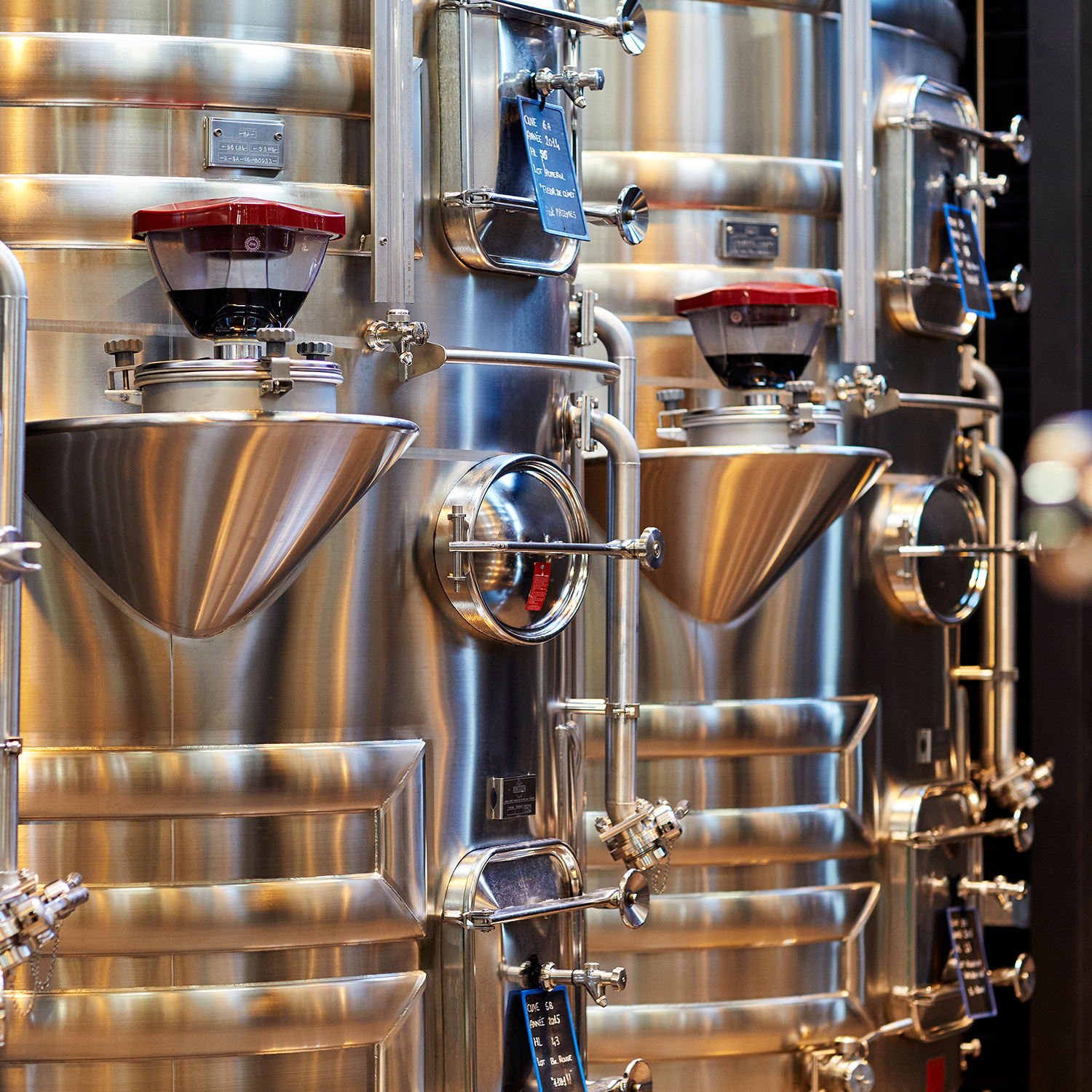
In oenology, a “wine in élevage” is a wine whose fermentations are complete. It is no longer must or a fermenting wine; it is a wine continuing its maturation, the minimum duration of which is defined by the appellation’s specifications. Technically, it is considered “finished” in terms of vinification, as it is fermentation-stable (alcoholic and, where applicable, malolactic fermentation). It continues to mature in tanks, barrels, or other vessels to refine and harmonize its aromas. It can also be tasted to assess élevage or blending decisions.
A Brief History of Bordeaux Wine Blending
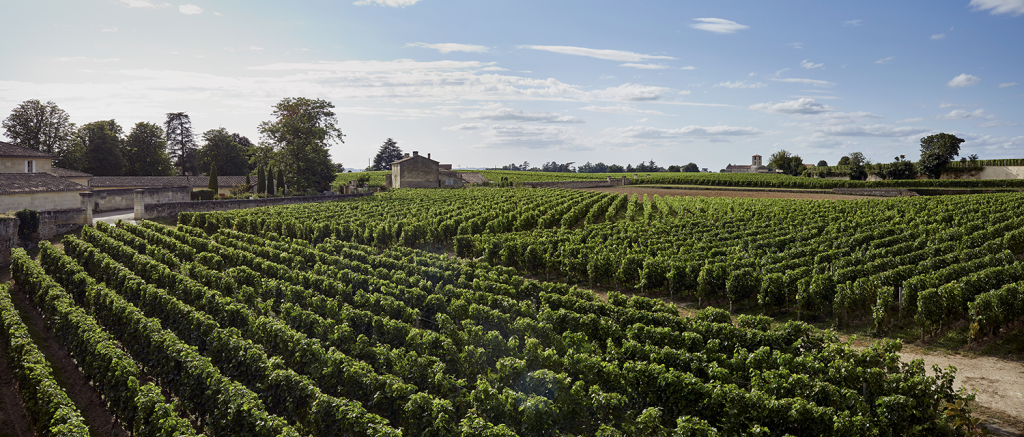
In Bordeaux, wine blending has been part of the region’s DNA for centuries. This practice developed under the influence of trade, soils, climate, and evolving techniques. Two distinct styles emerged:
- On the Left Bank, Cabernet Sauvignon dominates, producing structured, age-worthy wines, complemented by Merlot, Cabernet Franc, and sometimes Petit Verdot.
- On the Right Bank, Merlot takes the lead, bringing roundness and accessibility, balanced by Cabernet Franc.
Today, climate change is influencing blending choices: advanced ripeness and earlier harvests are leading some Left Bank estates to increase Cabernet Sauvignon or Petit Verdot, while Cabernet Franc gains importance on the Right Bank.
Understanding Grape Varieties: The Key to Successful Blending
Wine blending is above all about combining the strengths of each grape variety to create harmony. Knowing the characteristics of each variety is essential to anticipate their role in the final cuvée and create your own wine.
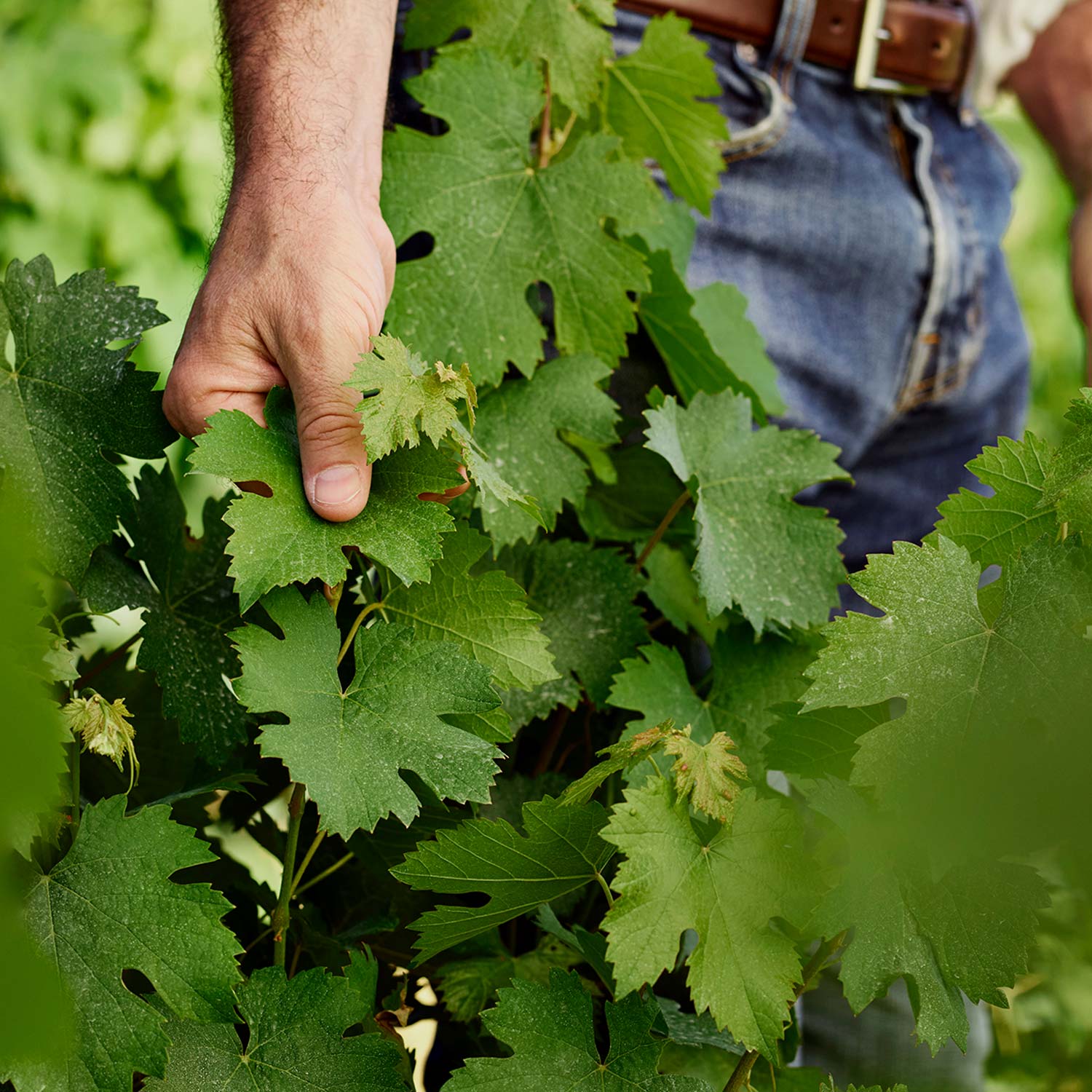
So, grab a pen and take notes! Merlot is round and fruit-forward, bringing generosity. Cabernet Sauvignon is powerful and tannic; it structures the wine and ensures aging potential. Cabernet Franc, elegant and aromatic, binds and refines the blend. Petit Verdot enhances color and structure while adding spicy notes. It must be handled with care, as its aromatic imprint is quickly expressed. In response to climate change, some estates are also experimenting with other so-called resistant varieties to preserve freshness and balance.
It is worth noting that each lot, even within the same grape variety, can vary depending on the parcel, vine age, soil type, and vinification. During your VINIV experience, you learn all these principles and are guided step by step by step by our experts to create a Bordeaux wine that reflects who you are.
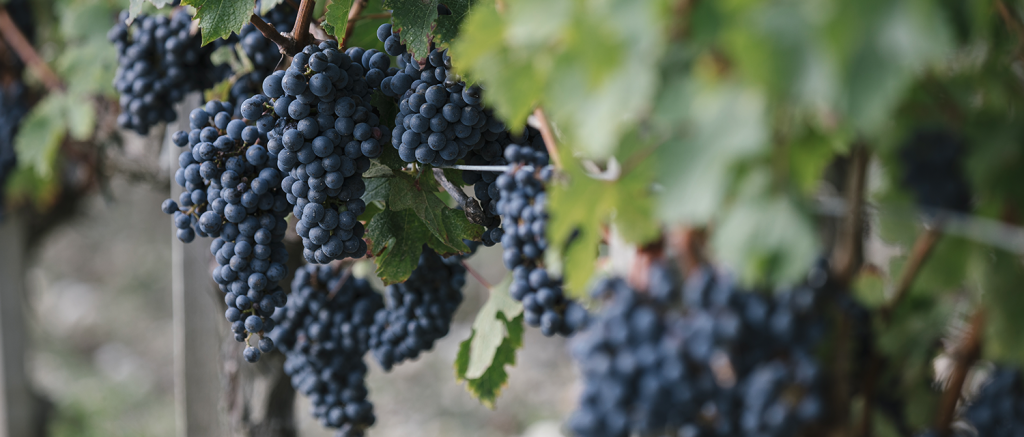
The Guiding Thread in Wine Blending: Preserving Estate Identity
Each vintage carries its own identity, shaped by sunshine, freshness, and weather conditions. The winemaker’s role is to make wine with what the land has provided over the year, while preserving the soul of the estate. This continuity across vintages is a commitment: to offer a recognizable style, even under very different climatic conditions.
Blending therefore also means learning to adapt. In warm years, fresher lots are favored, while in cooler vintages, riper parcels or old vines, which bring richness and roundness, may take precedence. The goal is not to erase the vintage’s personality, but to maintain the balance and harmony that define the estate’s signature.
How to Blend Your Wine: The Key Steps
1. Tasting the Wines
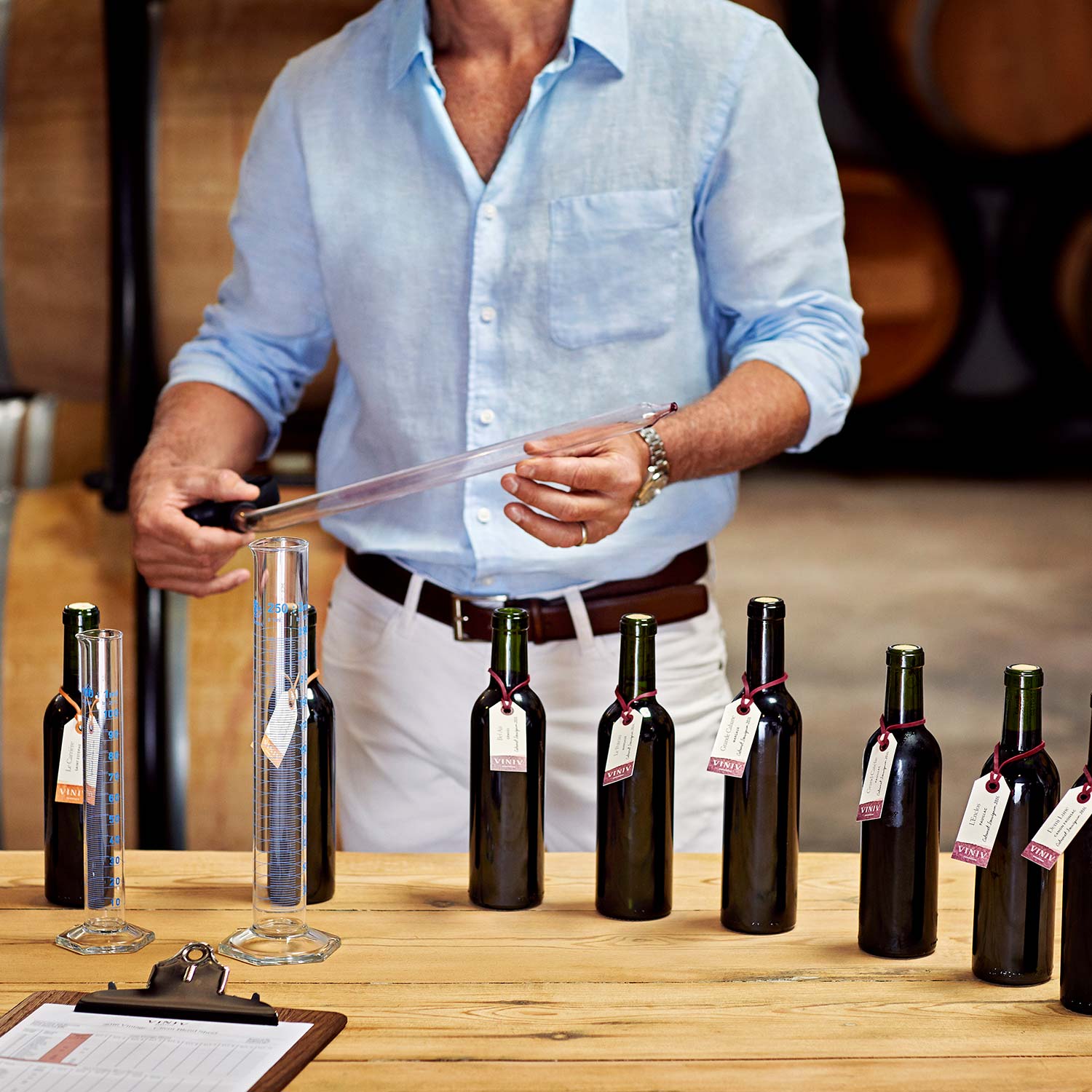
Wine blending is rarely a matter of chance. It results from meticulous wine tasting of dozens of samples. Wines are still young and in élevage: their future evolution must be imagined. Adjusting proportions can change texture, freshness, or length. When creating your own wine, the goal is to find the point of balance, the right harmony between structure, aromatics, and tension. This exercise requires patience and expertise. Rest assured: VINIV experts support you throughout the process. For VINIV members, it is not only about blending samples, but about projecting what their own wine will become in three, five, or ten years.
2. Creating Your Own Wine and Defining Your Signature
Blending your wine is also about asserting a style. Some Bordeaux wines emphasize power, others suppleness or freshness. Beyond technical balance, wine blending tells a story and a vision. This is the very essence of the VINIV experience: learning the art of blending, identifying your preferences, and mastering precision in dosage. You step into the shoes of a winemaker: tasting, testing, adjusting, tasting again, and refining once more until you obtain a wine that is uniquely yours.
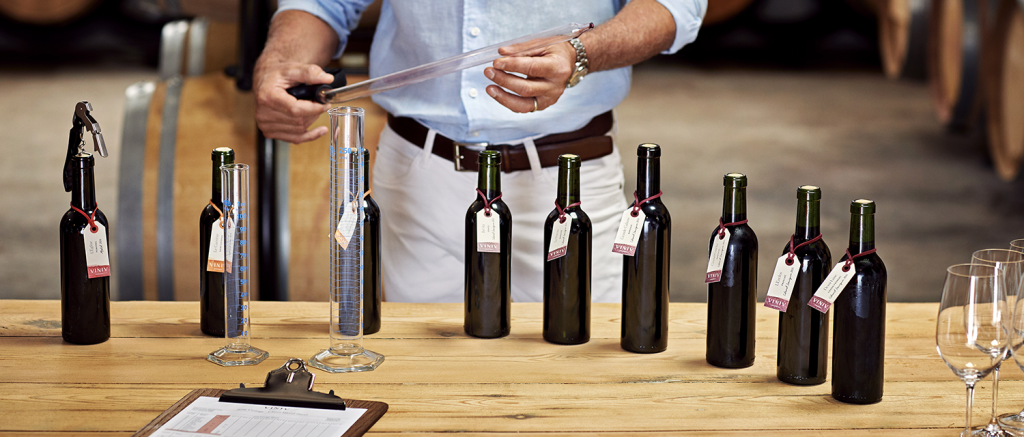
Wine blending is both a technical and creative skill that expresses the diversity of terroirs, the sensitivity of the winemaker, and the identity of an estate. It is a meticulous process requiring tastings and fine adjustments to find balance, compensate for vintage variation, and ensure aging potential. Blending lies at the heart of some of the great wines of Bordeaux and at the very core of the VINIV experience.
By Marion Clerc, Le Stylo Vert, with the expertise of Nicolas Lainé, VINIV.