Creating your own wine brand is a unique adventure, an essential step for anyone wishing to learn how to become a winemaker. It brings together passion, creativity, and expertise. Whether to celebrate a milestone, honor a loved one, or simply share a wine that reflects who you are, your wine brand tells a story through the bottle. Brand creation is therefore a key stage of the VINIV experience when you create your own wine.
Why Create Your Own Wine Brand?
If you have chosen to create your own Bordeaux wine, it is because there is a story to tell. That story becomes the guiding thread for choosing your wine’s name and designing its label. The visual identity must be crafted with the same level of care as the blending of your wine.
Creating a wine brand means defining its identity: its origin, values, style, and the experience you wish to offer to those who raise a glass with you. A beautifully designed bottle enhances your wine, inspires confidence, and speaks about you even before the first sip is tasted.
This is not a minor detail: it is an essential part of the craft, a rite of passage for anyone who wishes to become a winemaker. With VINIV, you also learn the key regulations governing wine brand creation in France, ensuring that your label and name comply with legal requirements relating to appellations and mandatory mentions.
What Are the Steps to Creating Your Wine Brand?
1. The Creative Brief: Laying the Foundations of Your Wine Brand
Everything begins with a creative brief. At VINIV, you have the opportunity to work with the award-winning designers of Barlow & Co. The goal is to gather all the ideas and inspirations that led you to create your own Bordeaux wine, in order to guide the design process. This is where the tone, the story, and the emotions you wish to convey through your label are defined.
There are a few rules to keep in mind: you cannot use terms referring to a place (“Château,” “Clos,” “Domaine,” etc.) unless you own it, nor names that are too similar to existing brands. With VINIV, your wine is classified under Bordeaux AOP, as it results from a blend of several appellations.
2. Creating Your Label: The Emblem of Your Wine Brand
Becoming a winemaker also means understanding that a wine label is far more than a simple piece of paper on a bottle. It establishes trust and credibility, attracts attention, and tells a story. For Bordeaux wines, it is a detail that can make all the difference. Colors, typography, illustrations: every graphic choice evokes a style, an emotion, a sense of tradition or modernity. It is up to you to define what best reflects the character of your Bordeaux wine.
The label must also include mandatory information defined by regulations (appellation, alcohol content, volume, origin, bottler, health warnings, etc.). You may also choose to add optional details such as grape varieties. Beyond regulatory compliance, this information highlights the work involved in creating your own wine.
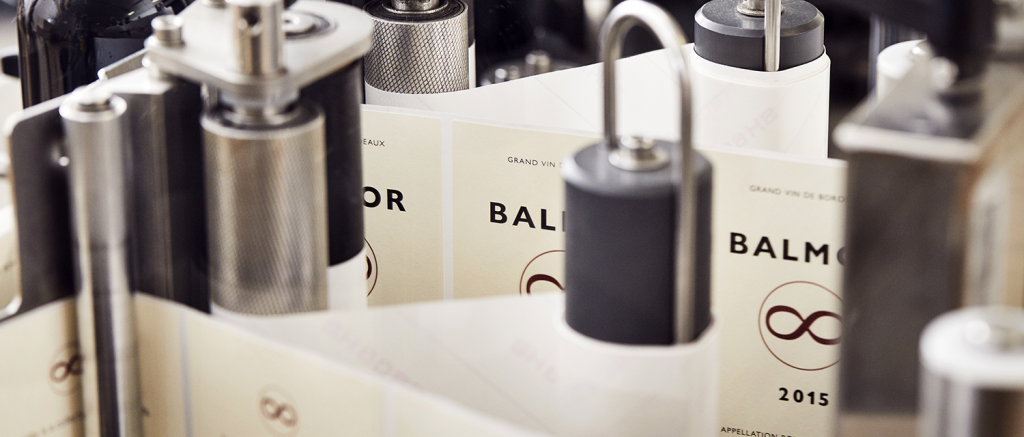
3. Extending Your Wine Brand Identity
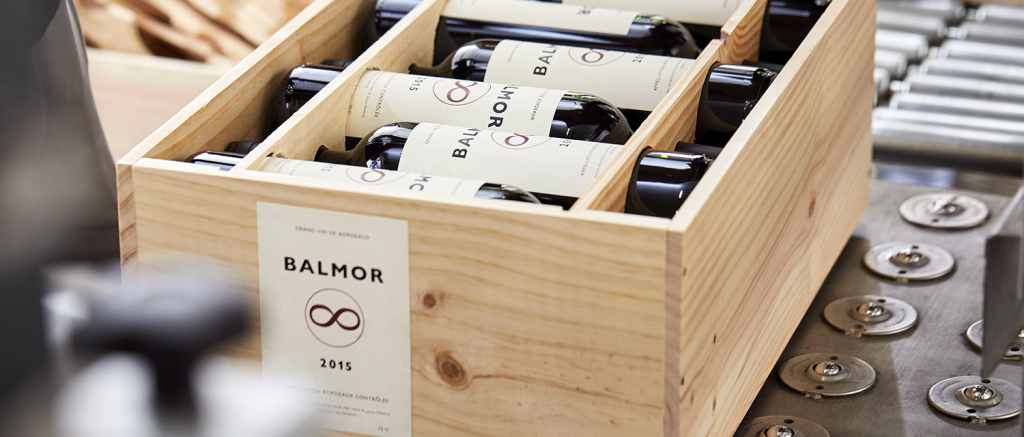
You have done it, you have created your own wine brand. It is then applied to your corks and wooden cases used for transport. The entire visual identity must reflect your universe and meet the same standards of quality as the creation of your wine itself. This complete packaging brings your Bordeaux wine to life with coherence and style.
The choice of bottle is also a key element in creating a Bordeaux wine and goes far beyond aesthetics. Becoming a winemaker means understanding the advantages of each format and their influence on wine storage. Large-format bottles offer ideal conditions for aging. Their headspace, small relative to the volume of wine, limits oxidation and helps preserve the aromas of a cuvée.
Let's Talk Wine!
In oenology, headspace refers to the volume of air between the wine and the cork inside a bottle. It plays a crucial role in preservation by limiting the wine’s contact with oxygen. Too much headspace can encourage oxidation; too little may create excessive pressure. When properly managed, headspace helps preserve wine quality and supports its evolution over time.
Creating your own wine also means understanding that every detail matters — from the liquid itself to the container, from the story told on the label to the bottle that finds its place in your cellar. Because becoming a winemaker also involves safeguarding the identity of your estate, both inside and outside the bottle. At VINIV, the creation of your wine brand is treated with the same seriousness as the blending of your cuvée.
By Marion Clerc, Le Stylo Vert, with the expertise of Nicolas Lainé, VINIV.