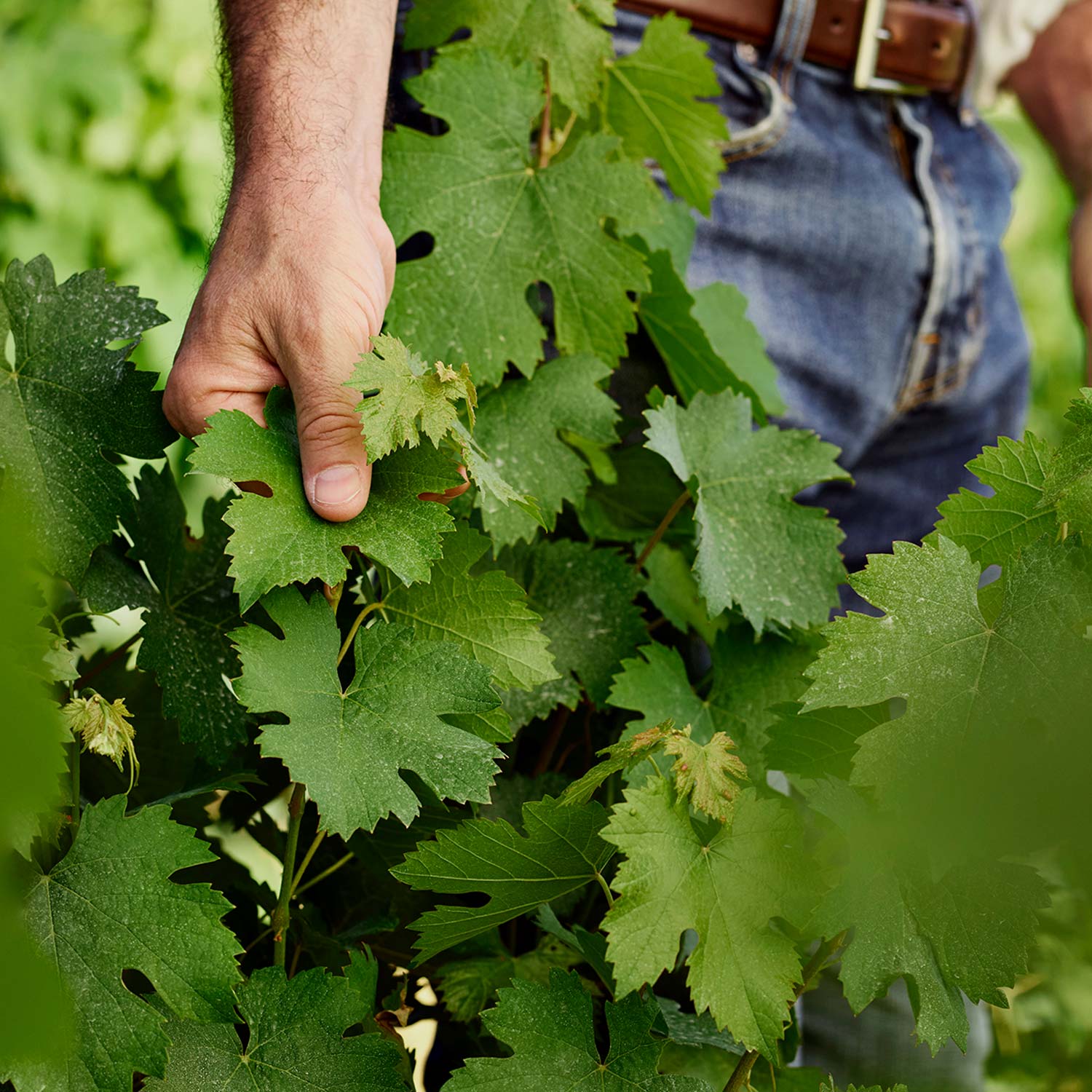
Bordeaux is one of the most iconic names in the world of wine and inspires many entrepreneurs who dream of becoming winemakers. Located in southwest France, the region is a symbol of viticultural excellence, combining tradition, savoir-faire, and diversity. At VINIV, before creating your own wine, we help you understand (almost) everything there is to know about wine in order to grasp what shapes the personality of a Bordeaux wine. Your experience begins by exploring Bordeaux grape varieties, the influence of soils and climate, and the history of blending in Bordeaux. Nothing less.
1. Bordeaux Terroir: Between the Right Bank and the Left Bank
Let’s start at the beginning: learning about wine first means understanding geography. In Bordeaux, becoming a winemaker means working within a vast vineyard covering approximately 85,000 hectares, with no fewer than 67 Appellations d’Origine Contrôlée (AOCs).
The region benefits from a highly favorable geographical location, which is one of the pillars of Bordeaux terroir. The Atlantic Ocean, the Gironde estuary, and the Garonne and Dordogne rivers all play a role in regulating the climate. Thanks to this geography, summers are generally temperate and winters are rarely affected by severe frost. This mild climate is a key factor in Bordeaux wine quality, as it directly influences grape ripeness and terroir expression.
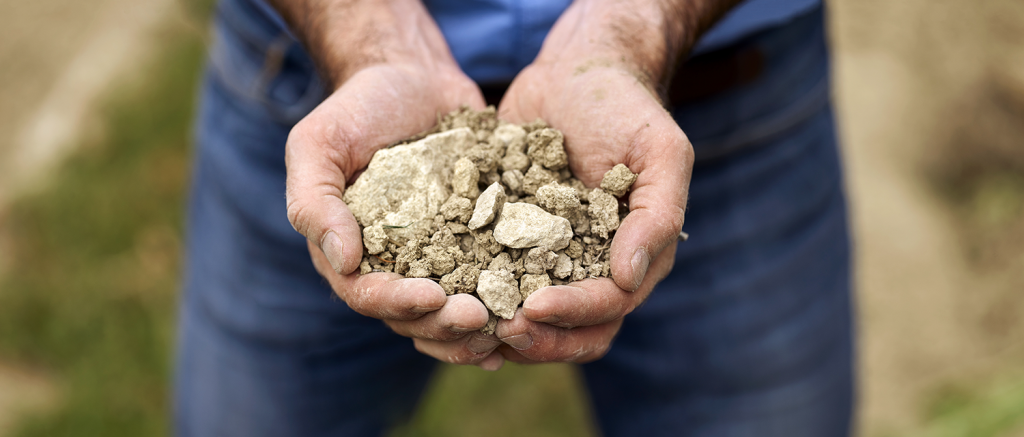
Understanding wine goes beyond climate alone, soil plays an equally decisive role. Bordeaux terroir differs depending on which side of the Gironde one is on. On the Right Bank (Saint-Émilion, Pomerol, Fronsac), clay and clay-limestone soils favor Merlot, producing round, supple, and fruit-forward wines. On the Left Bank (Médoc, Graves), gravelly, well-drained soils highlight Cabernet Sauvignon, resulting in structured, tannic, and elegant Bordeaux wines.
2. Understanding Bordeaux Wines: Grape Varieties and Appellations
Learning about Bordeaux wine means discovering its identity through blending, using Bordeaux grape varieties. A grape variety refers to the vine species that produces the grapes and directly influences a wine’s characteristics, including aromas, color, and structure.
With VINIV, you will learn how to create your own red wine using the following Bordeaux grape varieties:
- Merlot brings roundness, suppleness, and red-fruit aromas, producing approachable and generous wines.
- Cabernet Sauvignon provides structure and tannic power, with notes of blackcurrant, cedar, and spice.
- Cabernet Franc adds finesse and freshness, with floral and red-fruit aromas and softer tannins.
- Petit Verdot enhances color, structure, and complexity, contributing spicy notes.
- Malbec deepens color and adds density to the wine.
Let's Talk Wine!
Learning about wine also means learning how to describe it using precise vocabulary. What does it mean when a wine is described as “fleshy”? What do we mean by “structure,” “finesse,” or “complexity”?
A fleshy wine is dense and rich in aromas, with a full mouthfeel, supple tannins, and ripe fruit flavors. Structure refers to the wine’s tannic framework. Finesse is perceived when a wine is light, easy to drink, and subtle in expression. Complexity reveals itself throughout the tasting, as different aromas emerge successively.
Bordeaux appellations follow strict specifications defining authorized grape varieties, harvest rules, yields, and vinification methods. These regulations ensure that the wine faithfully reflects its terroir and the identity of the declared Bordeaux appellation.
There are over 60 Bordeaux appellations, each with its own characteristics. The Left Bank, including Médoc, Pauillac, Margaux, Saint-Julien and Saint-Estèphe, is renowned for structured red Bordeaux wines dominated by Cabernet Sauvignon. The Right Bank, with appellations such as Saint-Émilion and Pomerol, favors Merlot and produces rounder, more fruit-driven wines.
In short, to truly understand Bordeaux wine: grape varieties shape a wine’s aromatic and structural profile, while appellations ensure it reflects its terroir of origin.
3. The Art of Blending Wine in Bordeaux
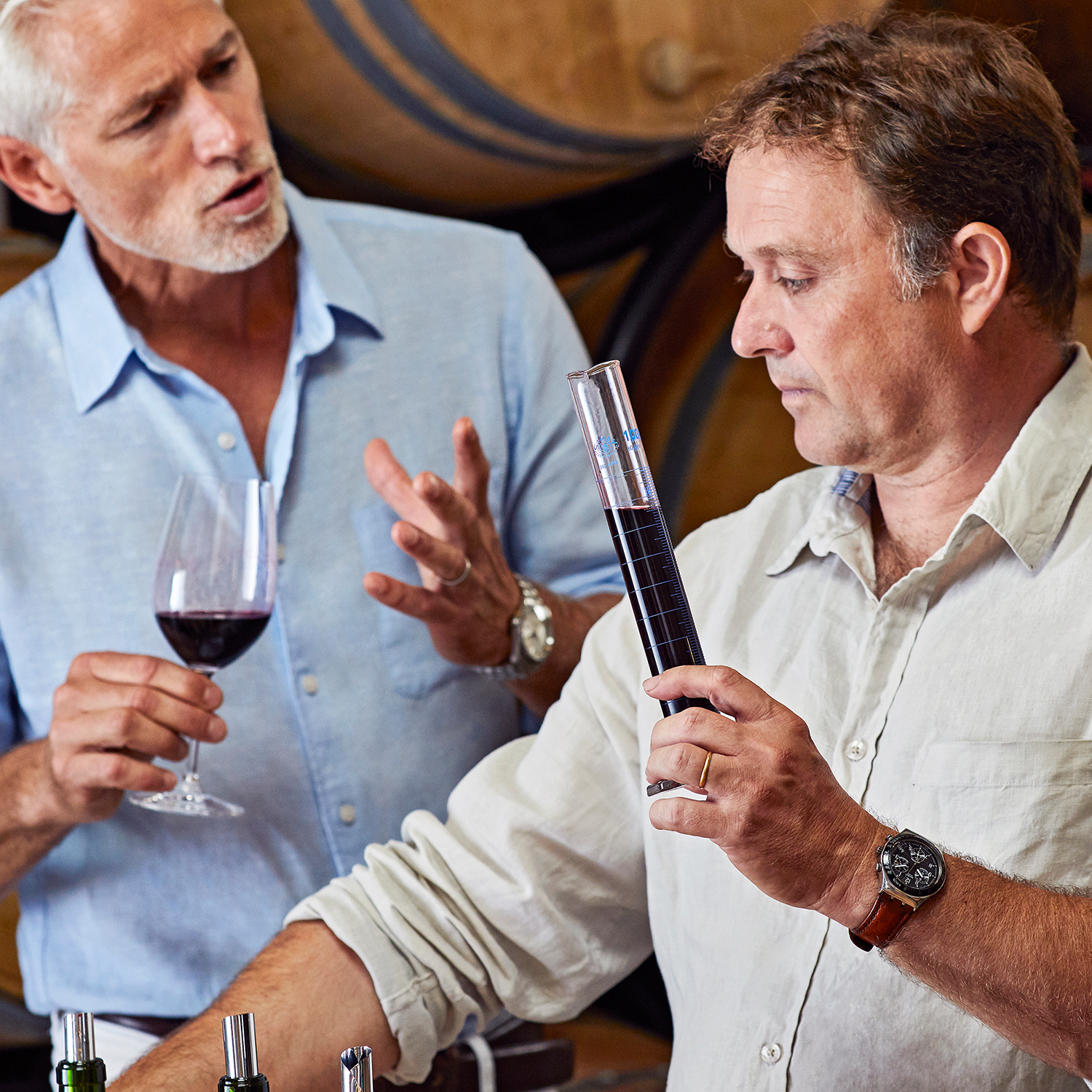
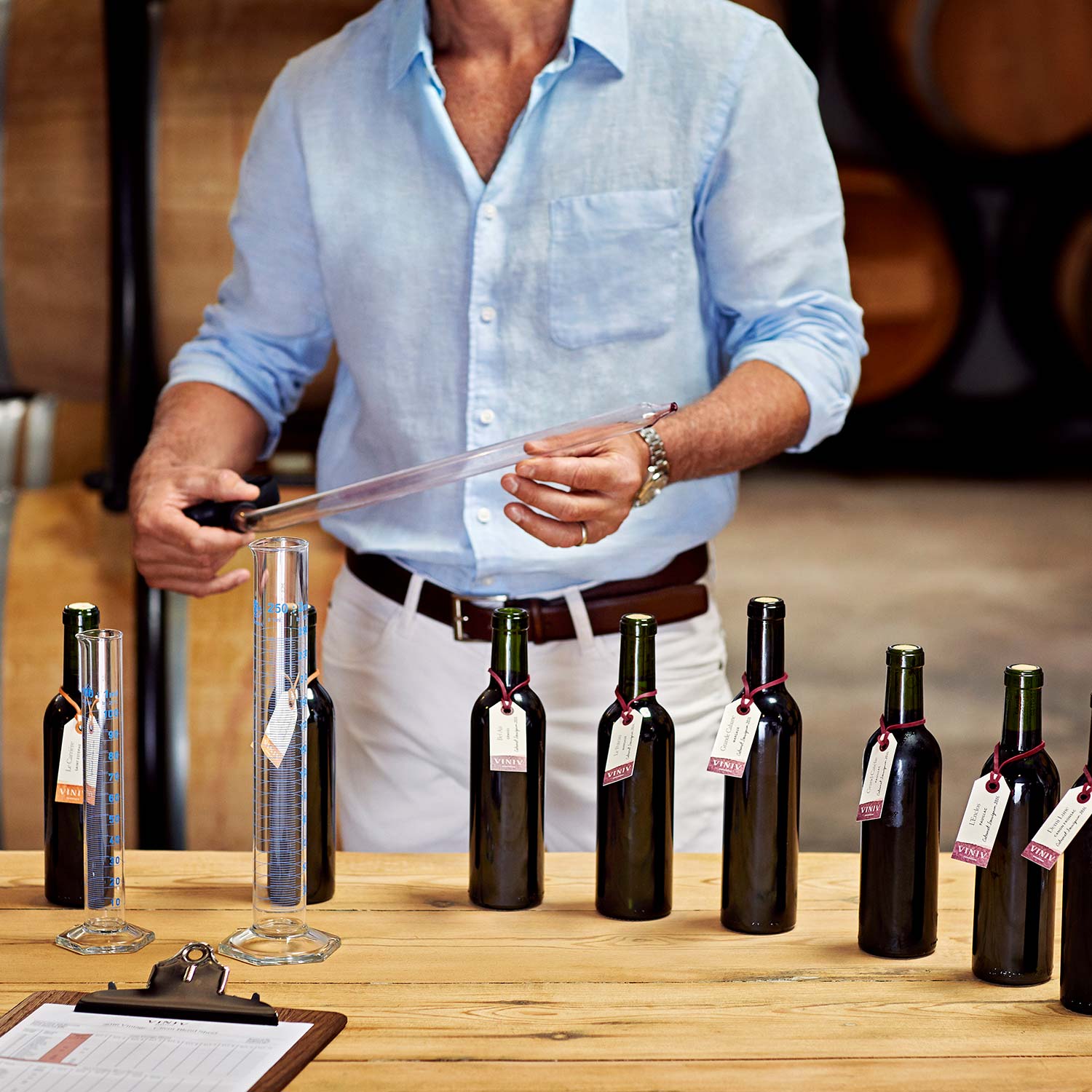
Blending is an art that balances the strengths and characteristics of each Bordeaux grape variety. This practice has been central to Bordeaux’s identity for centuries, shaped by trade, soils, climate, and evolving techniques. To become a winemaker in Bordeaux, you will craft a wine from musts or wines still in the aging process; an approach that requires precision and deep knowledge of grape varieties.
Blending offers a wider creative scope, allowing different parcels and appellations to be combined in accordance with current regulations.
Creating your own wine through blending not only frees you from the constraints of managing a wine estate but also allows you to focus on developing a unique and personal wine style. Learning about wine and the nuances of Bordeaux grape varieties is therefore an essential step in achieving this goal. VINIV offers you the opportunity to live this experience alongside oenologists who will guide you through every aspect of Bordeaux wine before you begin creating your own.
Becoming a winemaker means understanding that Bordeaux terroir lies at the heart of the region’s wines. Grape varieties, soils, climate, and blending together shape the personality of each wine. It’s up to you to find your own expression. With VINIV, you learn about wine and Bordeaux terroir and master the art of blending, until you are ready to create your own wine.