Decanting wine is an essential step in wine service. Beyond being a simple ritual, decanting helps reveal the full expression of a wine’s aromas and enhances the tasting experience. The key is to know when and how to do it.
Why Decant a Wine?
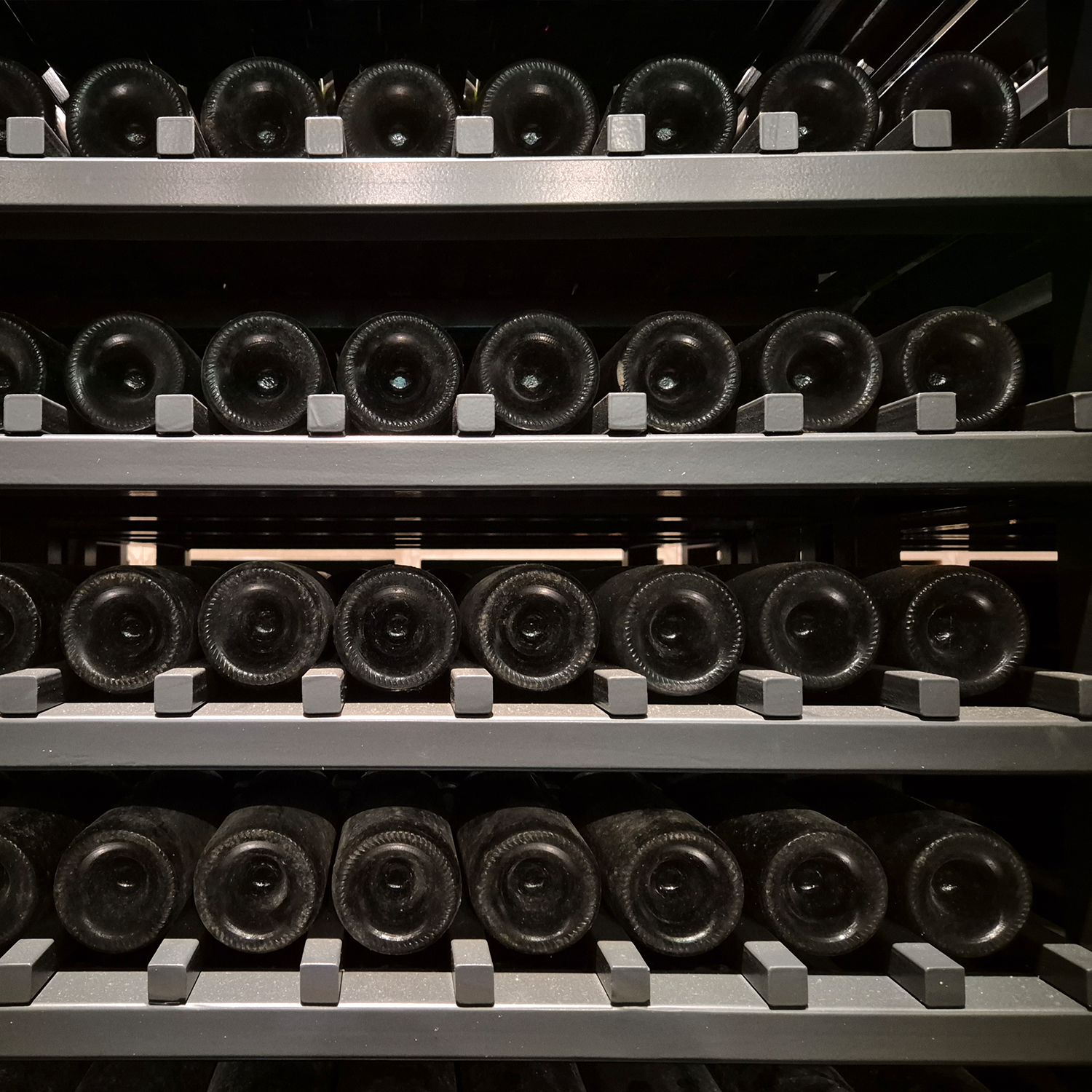
Decanting a wine is not just an aesthetic gesture: it is a technique designed to reveal the wine’s full aromatic potential. In practical terms, decanting primarily allows the wine to be separated from its sediment. Some Bordeaux wines, especially reds that have aged for many years in the cellar, naturally develop sediment at the bottom of the bottle, formed mainly through what is known as phenolic precipitation. Decanting removes these particles, which could otherwise cloud the wine in the glass and alter its texture and balance on the palate.
Let's Talk Wine!
Phenolic precipitation is a natural phenomenon that occurs in aged red wines. Tannins and pigments gradually combine to form insoluble particles that settle at the bottom of the bottle, creating sediment. This process helps soften tannins, stabilize color, and refine the wine’s texture.
What Is the Difference Between Decanting and Aerating a Wine?
Strictly speaking, decanting a wine means separating it from its sediment. Aerating a wine aims to expose a young wine to oxygen so that its aromas open up and its tannins soften. To do this, a decanter with a wide base is used, allowing the wine to breathe, sometimes for an hour or two before tasting. This is known as controlled oxygenation.
In everyday language, however, people often use “decanting” to refer to both separating sediment and aerating a wine to help it reach its aromatic potential.
When Should You Decant a Wine?
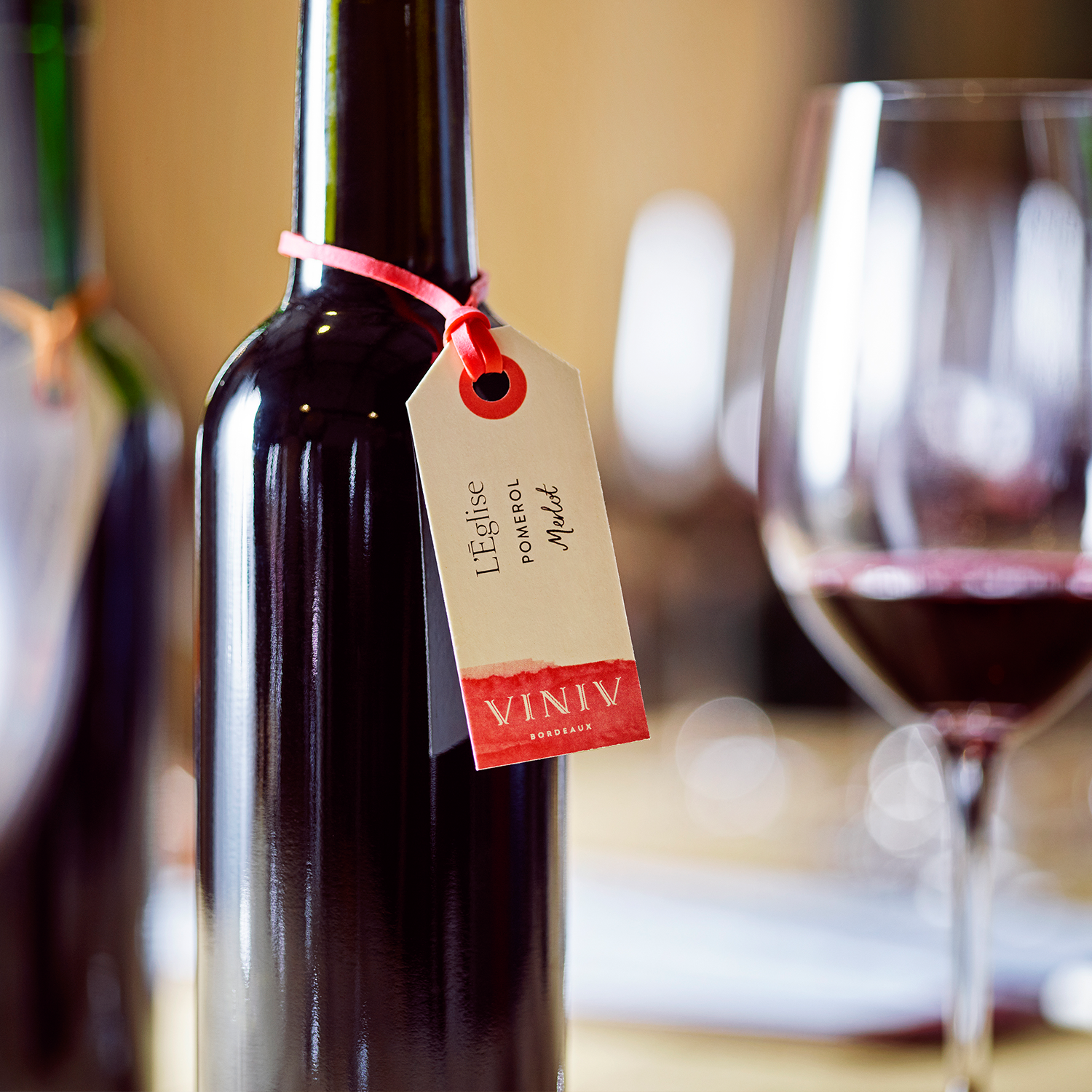
Decanting is not always necessary. The decision depends on the wine’s age and structure. Young, structured wines, such as some recent Bordeaux reds, often benefit from being aerated one to two hours before serving. Oxygen helps soften the tannins and release the aromatic bouquet. After creating their own wine during the VINIV experience, our members taste their wine at the closing evening. Because the wine is still young, it is recommended to aerate it in a decanter before the first tasting.
Older Bordeaux wines require greater delicacy. Their structure is fragile, and their aromas are complex.
They should only be decanted when visible sediment is present, using a narrow-necked decanter, and just before serving, to avoid tiring the wine: too much oxygen too quickly may dissipate its aromas.
Decanting white wines is uncommon, but some young, oaked whites may open up after a brief passage in a decanter. A dry white Bordeaux wine is generally served without prolonged aeration, as it may lose freshness and acidity.
Should You Decant an Old Wine?
Sometimes, it is better not to decant an old wine – especially when it has delicate, volatile aromas that could fade quickly upon exposure to air. If the sediment is minimal, you can serve the wine directly from the bottle, simply keeping it upright beforehand so the sediment settles.
How to Decant a Wine
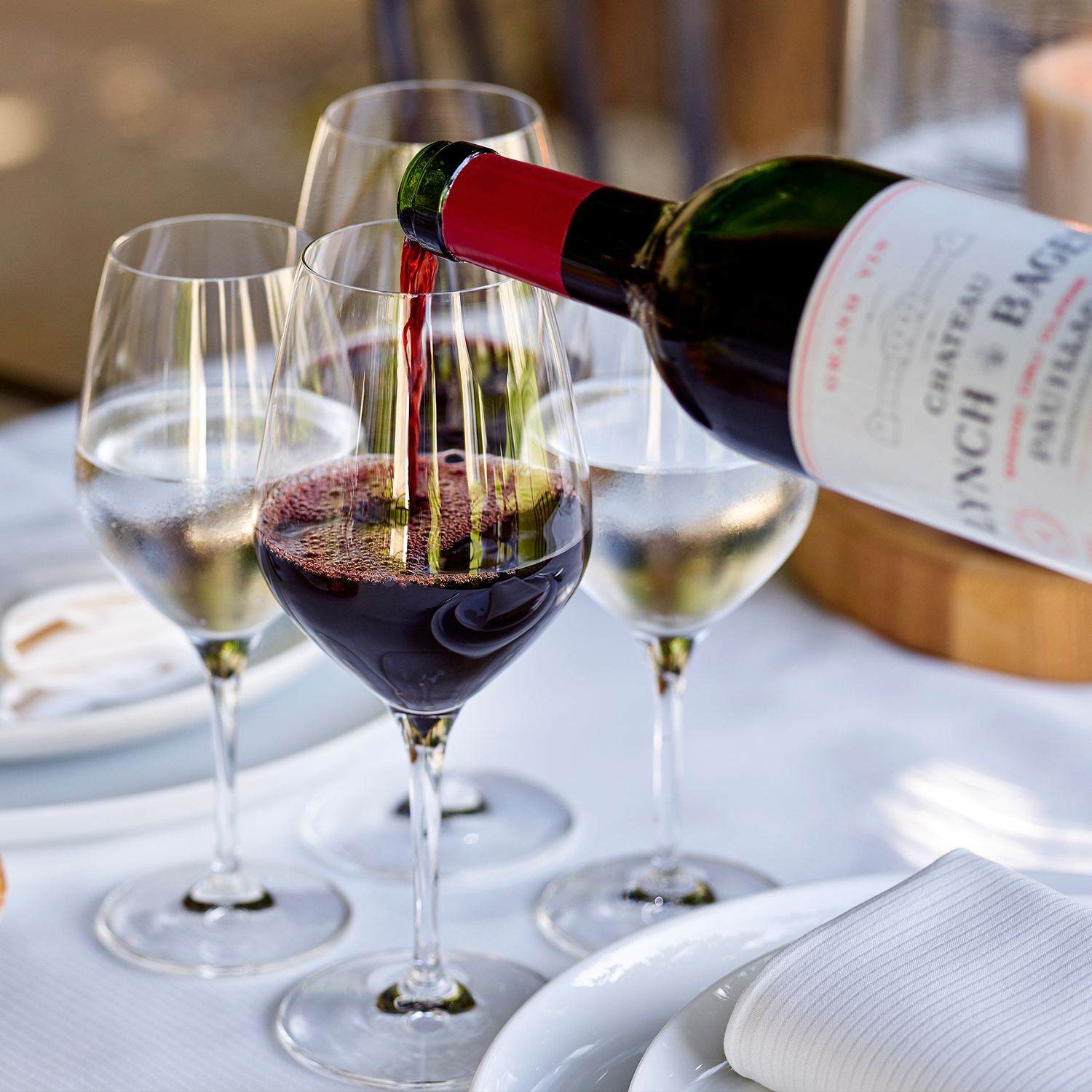
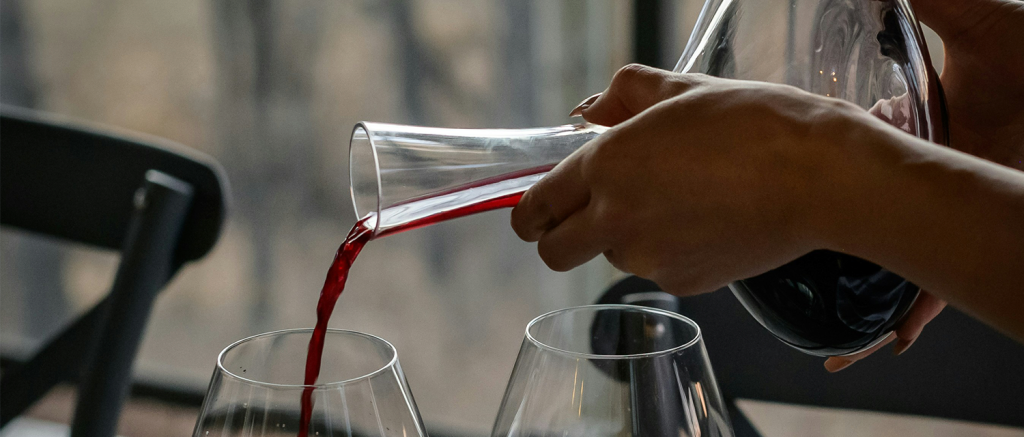
Preparing to decant begins a few hours before serving. Stand the bottle upright so the sediment settles at the bottom. Then prepare a clean, odor-free decanter. Pour the wine slowly, in a steady stream, under soft light or near a candle flame to see when the sediment approaches the neck. Stop decanting at that moment.
For young Bordeaux wines, a more energetic aeration may be used, pouring the wine more vigorously to accelerate its exposure to oxygen.
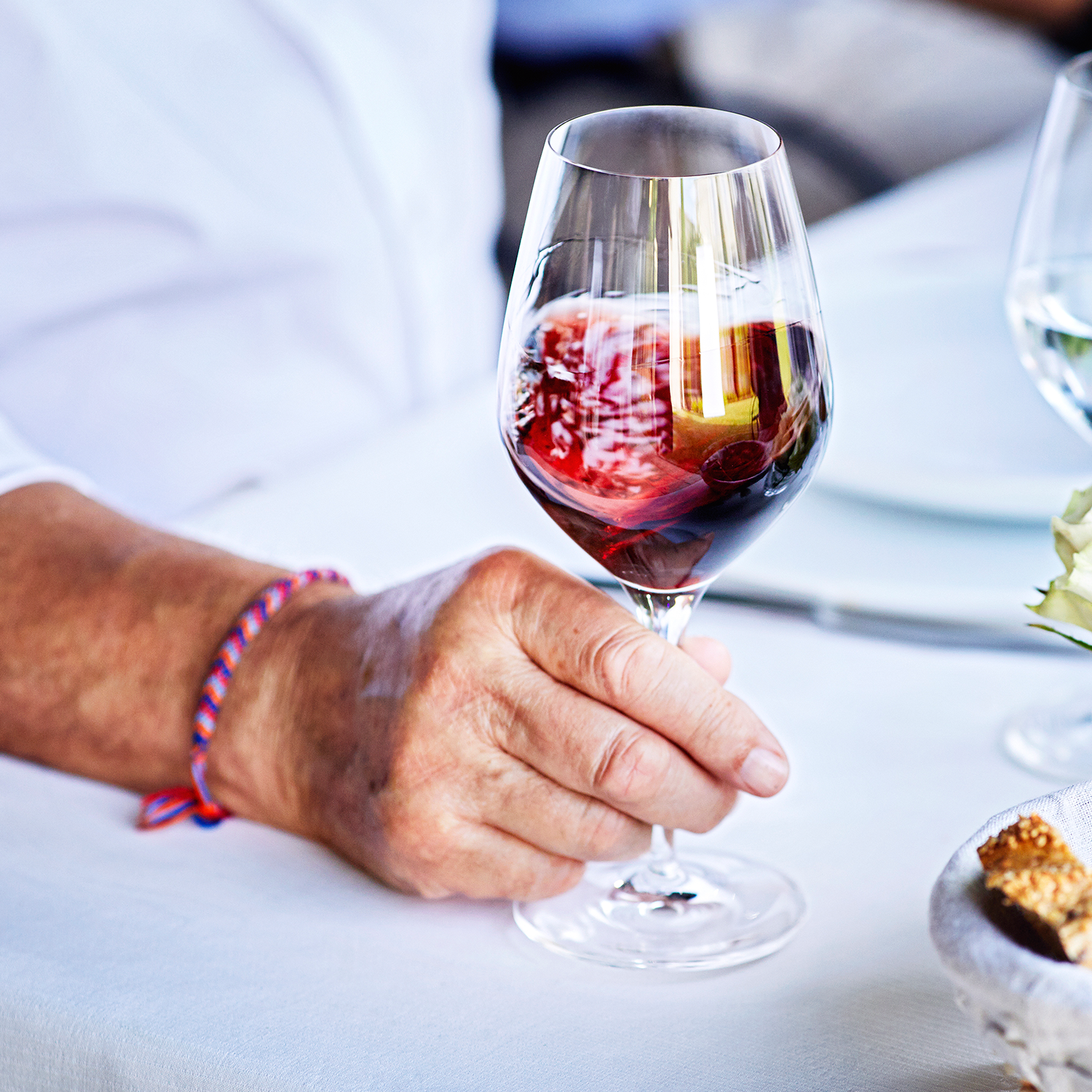
Pro tip: Taste the wine before and after decanting to appreciate its evolution. It is an excellent way to train your palate and understand the purpose of decanting.
Decanting a wine is, above all, about understanding its age, structure, and evolution to ensure proper service and an optimal tasting experience. By taking part in the VINIV experience, you learn alongside our oenologists all the steps involved in creating your own wine, learning how to taste, and mastering the art of serving wine correctly.