Whether for a simple dinner, a special occasion, or a wine tasting, one question often arises: how many glasses are there in a bottle of wine? The answer naturally depends on the bottle size, but also on the amount poured per person. VINIV helps you understand these quantities so you can accurately estimate the number of glasses per bottle, from standard formats to more spectacular sizes.
From classic bottles to large formats: how many glasses in a bottle of wine?
A brief historical note first. As early as Ancient Greece and Rome, wine was stored in amphorae to limit oxidation. It was not until the 17th century, in England, that glass wine bottles appeared, followed by the gradual standardization of the 75 cl format, notably under the influence of trade in Bordeaux. At the same time, larger formats developed, designed for special occasions and offering ideal conditions for ageing wine.
How many glasses are in a 75 cl bottle?
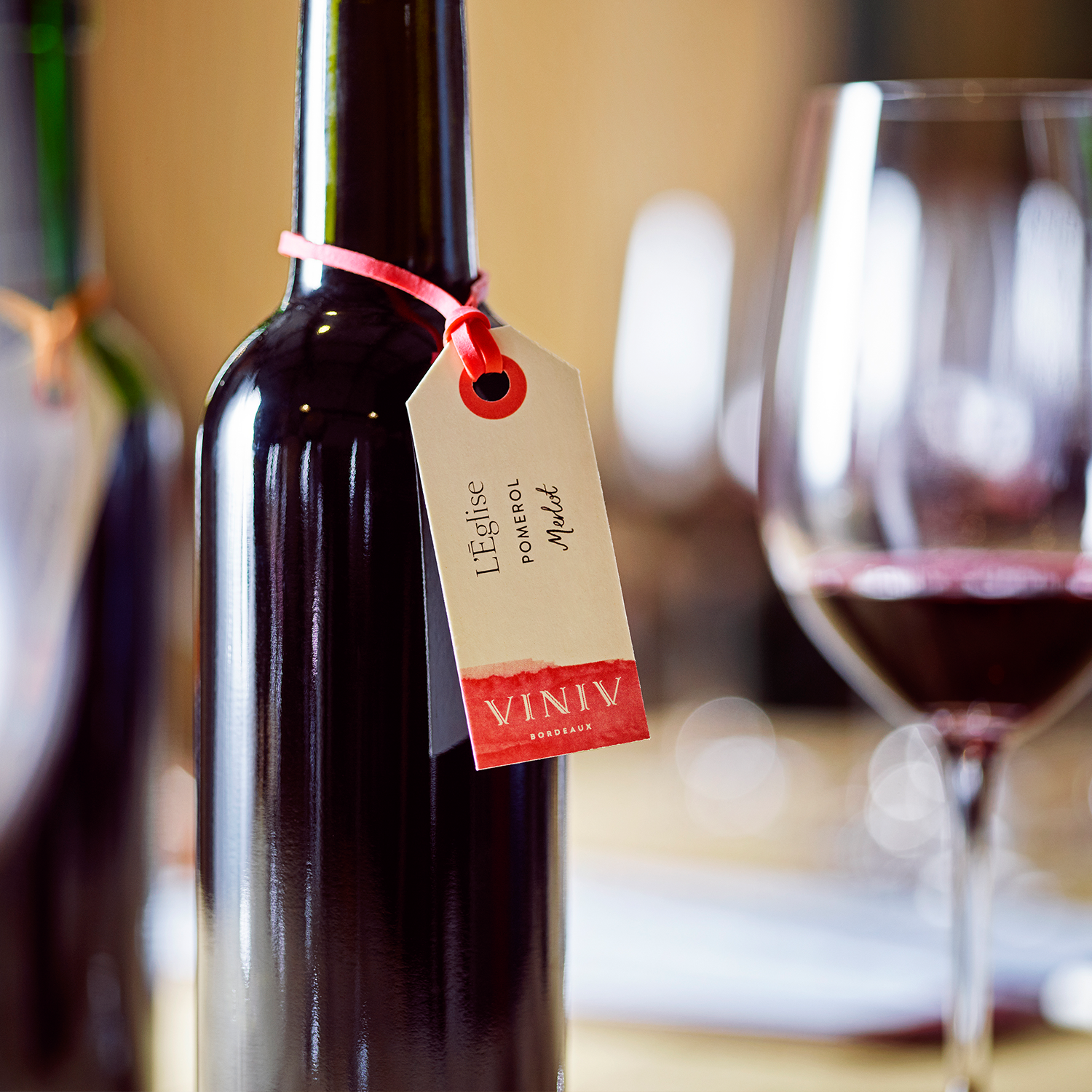
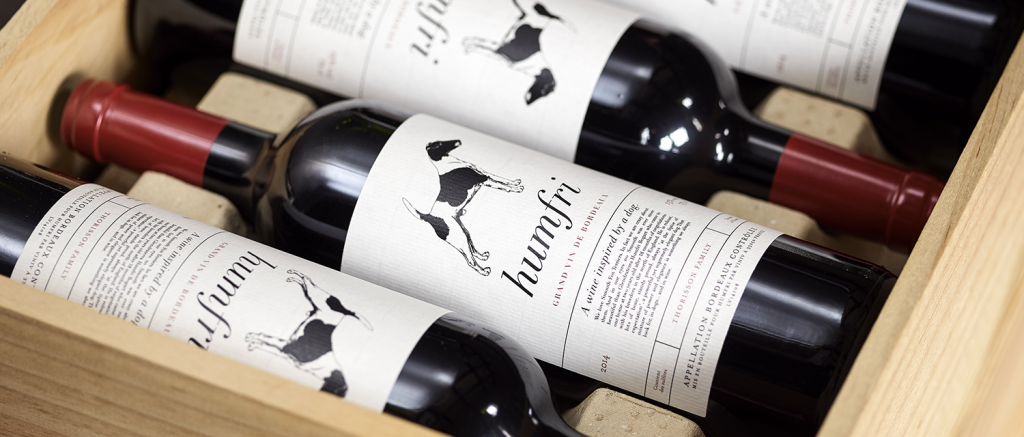
The so-called “standard” wine bottle (75 cl) is suited to everyday use and intimate gatherings. It yields approximately 6 glasses of 12 cl, making it the reference format for most occasions.
Smaller bottles also exist, such as the half-bottle (37.5 cl), which serves around 3 glasses of 12 cl.
How many glasses are in large-format bottles?
With the magnum (1.5 L), the scale increases while remaining easy to handle. This format serves approximately 12 glasses of 12 cl and is particularly well suited to festive meals.
The double magnum (3 L), also known as a jeroboam, is equivalent to four standard bottles and yields around 24 glasses. These formats are appreciated not only for their conviviality, but also for their ability to allow wine to evolve more slowly and harmoniously over time, especially for wines intended for ageing.
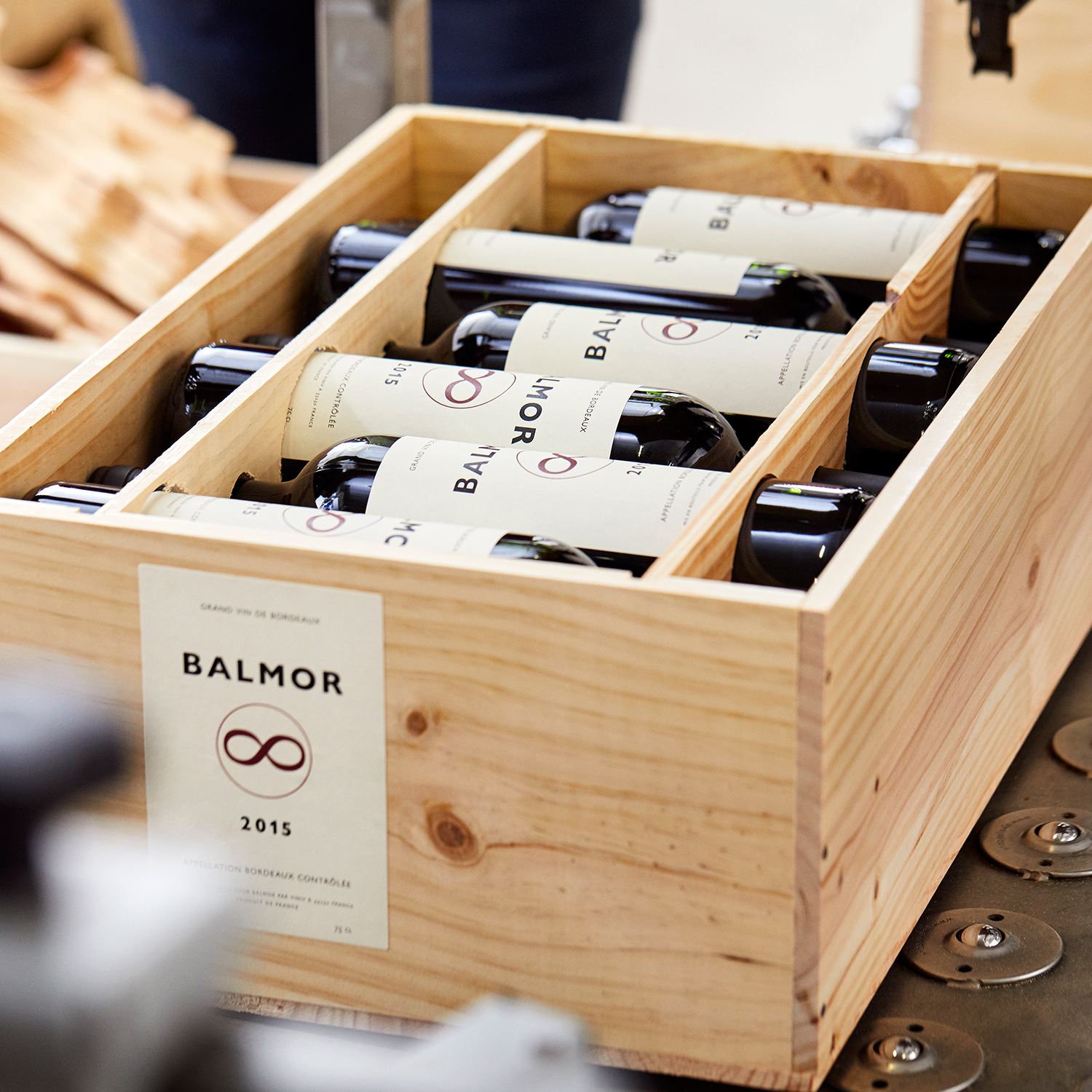
When creating your wine with VINIV, you can choose a mix of bottle formats: standard (75 cl), magnum (1.5 L), or double magnum/jeroboam (3 L). VINIV guides you in selecting the right format based on your intended moment of enjoyment and the ageing potential of your bespoke wine. Larger formats encourage a more gradual and balanced evolution over time.
How many glasses are in very large-format bottles?
Reserved for special occasions, these formats embody a sense of prestige and shared celebration in the world of wine:
- Rehoboam (4.5 L): equivalent to 6 bottles, or around 36 glasses.
- Methuselah (6 L): equivalent to 8 bottles, or around 48 glasses.
- Salmanazar (9 L): equivalent to 12 bottles, or around 72 glasses.
- Balthazar (12 L): equivalent to 16 bottles, or around 96 glasses.
- Nebuchadnezzar (15 L): equivalent to 20 bottles, or around 120 glasses.
- Solomon (18 L): equivalent to 24 bottles, or around 144 glasses.
Let’s Talk Wine!
The names given to very large wine bottles originate from the Bible and Antiquity, referring to kings, mythical figures, and symbolic characters. These historical names, such as Jeroboam or Methuselah, have been adopted over time to designate these exceptional formats. They evoke power, solemnity, and prestige, reinforcing the unique character of these bottles intended for major celebrations and shared moments.
How many glasses of wine per person? Estimating quantities
As a general guideline, it is advisable to allow half a bottle per person (37.5 cl) for a standard meal without excess, approximately 3 glasses per person.
The number of glasses also depends on the type of wine served:
- Red wine is typically poured in smaller quantities to fully appreciate its aromatic complexity. As a rule of thumb, allow 1 standard bottle for 2 people.
- Dry white wine or rosé: if served as an aperitif or starter, allow 1 bottle for 3 to 4 people. If served with the main course, consumption increases slightly closer to 1 bottle for 2 people.
- Sweet wines, such as Sauternes, are served in smaller pours (6 to 8 cl), increasing the number of glasses per bottle. Allow approximately 1 bottle for 8 to 10 people.
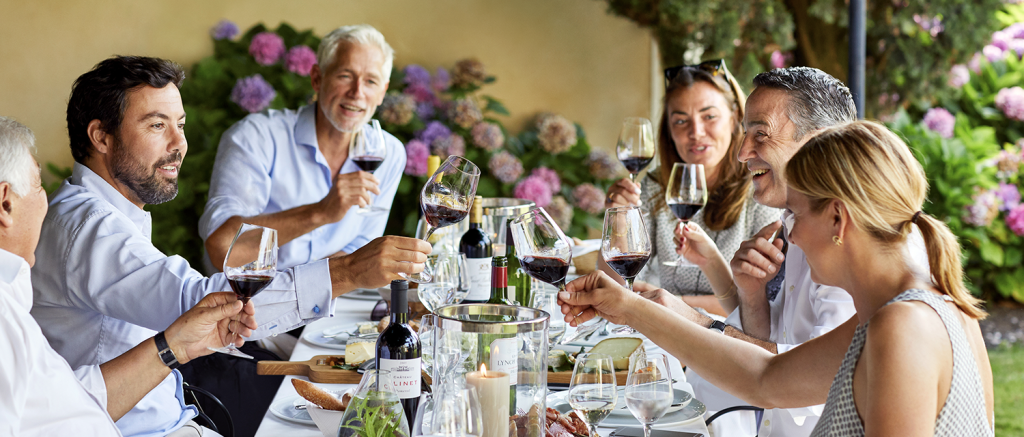
The number of glasses in a bottle of wine depends on its format and the serving size. A 75 cl bottle generally yields around 6 glasses, but this can vary depending on the type of wine and the occasion.
Ultimately, what matters most is the quality of the tasting experience and the pleasure of sharing the moment. This is the essence of VINIV: learning to create your own wine, in harmony with your tastes, and transforming it into a meaningful experience of enjoyment and connection.