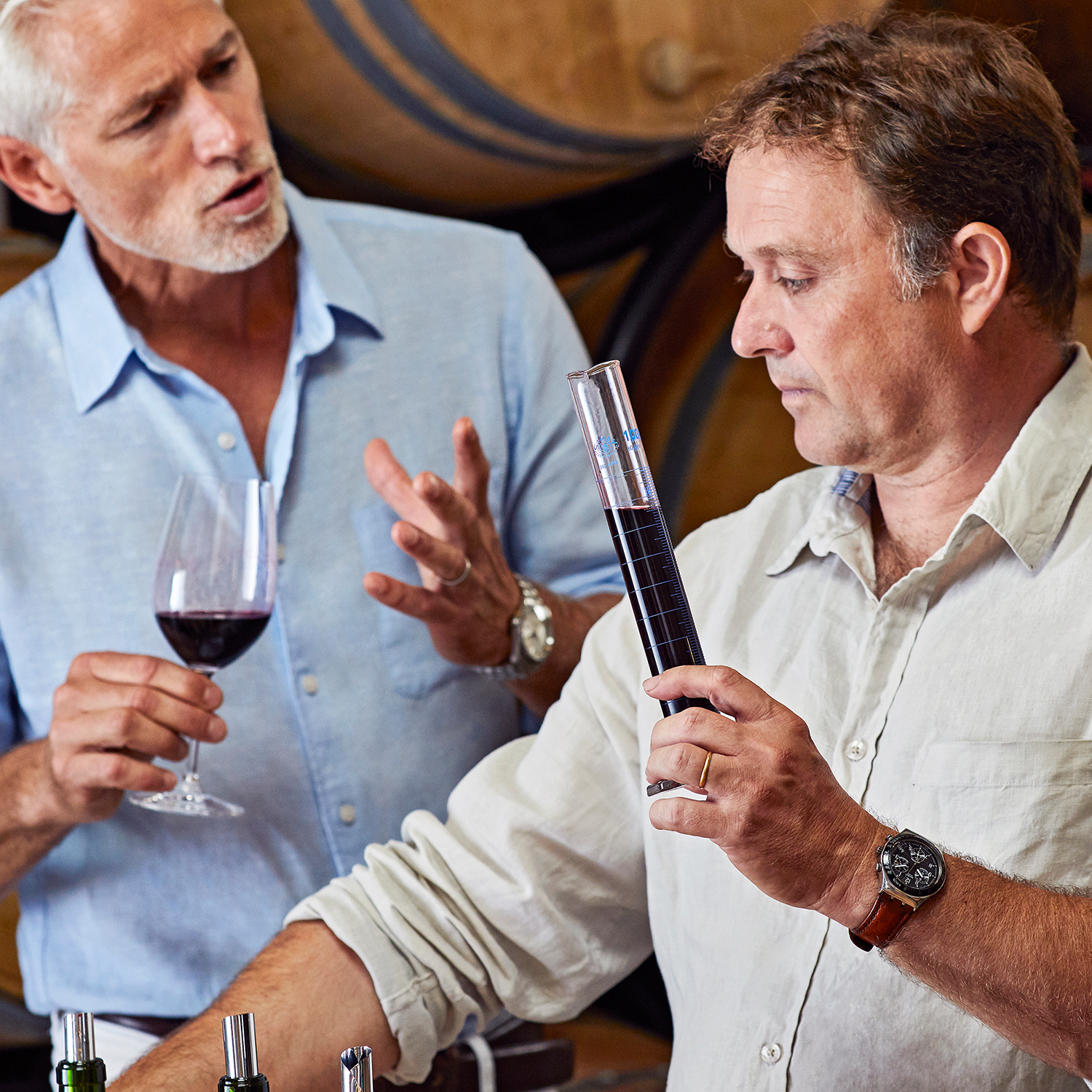
Whether it is a great Bordeaux wine or not, the quality of a bottle depends both on the winemaker’s work and on how the wine is stored. Incorrect temperature or excessive light can alter a wine, especially an age-worthy wine, by reducing its aromatic potential and accelerating its aging. During your VINIV experience, you create your own wine while learning how to age it under optimal conditions.
1. Understanding the Ideal Conditions for Wine Storage
Proper wine storage depends primarily on its environment. Temperature should be stable and ideally around 12°C (54°F). Sudden temperature fluctuations accelerate aging and can disrupt the wine’s aromatic development.
Please note:
- Temperatures that are too low slow down the aging process and may even cause crystal formation in white wines. These crystals do not affect aromas but may impact the wine’s visual appearance. Temperatures close to 0°C (32°F) can weaken the cork or, in cases of freezing, cause the wine to expand and compromise the bottle’s seal.
- Temperatures that are too high, on the other hand, accelerate the aging. Heat also causes the air in the neck of the bottle to expand, putting pressure on the cork and potentially allowing wine to leak, this is known as a “leaking bottle.” Excessive heat can also damage aromas, which are said to “cook,” altering the wine’s flavor.
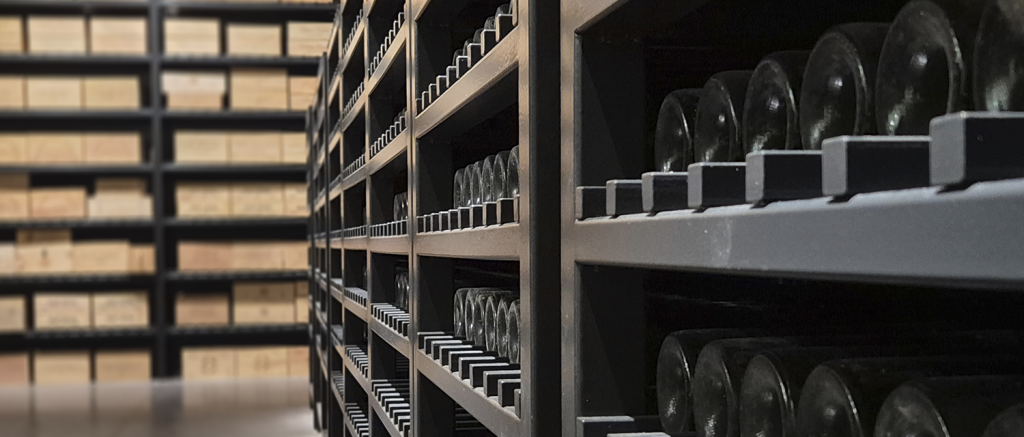
Humidity also plays a key role in wine preservation. While it does not directly affect the bottle, it impacts the cork. A humidity level between 65% and 75% allows the cork to retain its elasticity.
Take note: air that is too dry can dry out the cork, while excessive humidity encourages mold and can damage labels. If one must choose, too much humidity is preferable to too little. To address this, collectors and winemakers often wrap bottles in stretch plastic film, an insider’s tip!
Finally, it is essential to protect your Bordeaux wine from neon lighting and UV rays. These can damage aromas and cause unwanted photochemical reactions, particularly in white and rosé wines, which may develop a so-called “light-struck” taste.
Let's Talk Wine!
Light-struck taste is a defect that occurs when a wine, especially white, rosé, or sparkling wine, is exposed to light for too long. This exposure triggers a photochemical reaction that produces unpleasant sulfur aromas on the palate. For proper wine storage, a dark place away from direct lighting is preferred, ideally an underground cellar.
The winemaker’s eye: the absence of vibrations is another often-overlooked factor in wine storage. Repeated vibrations, such as those caused by household appliances, can prevent sediment from settling properly and disrupt the wine’s natural maturation.
When delivering your cuvée, VINIV carefully selects logistics partners who meet all these criteria to ensure your Bordeaux wine is properly preserved until it reaches you.
2. Mastering Wine Storage
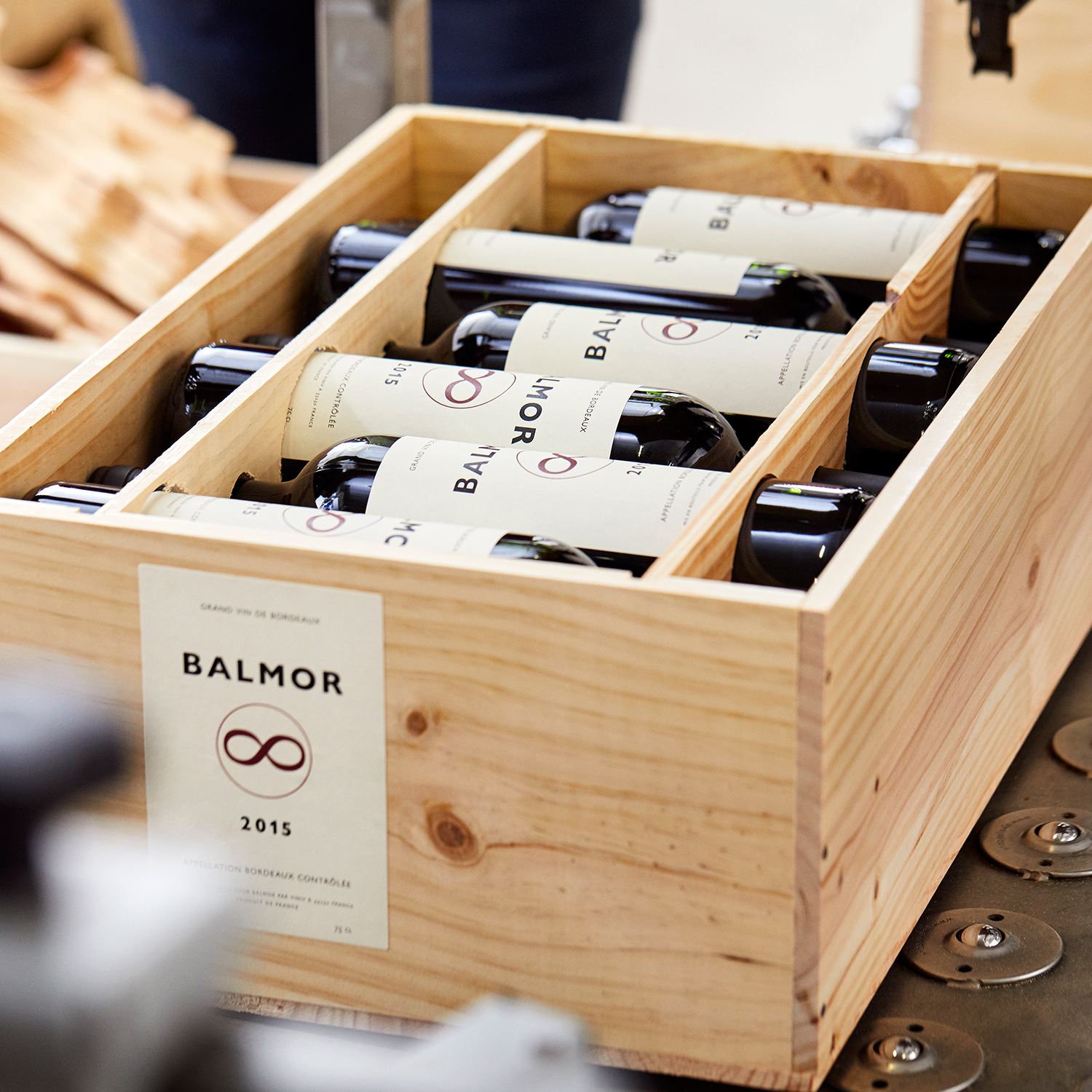
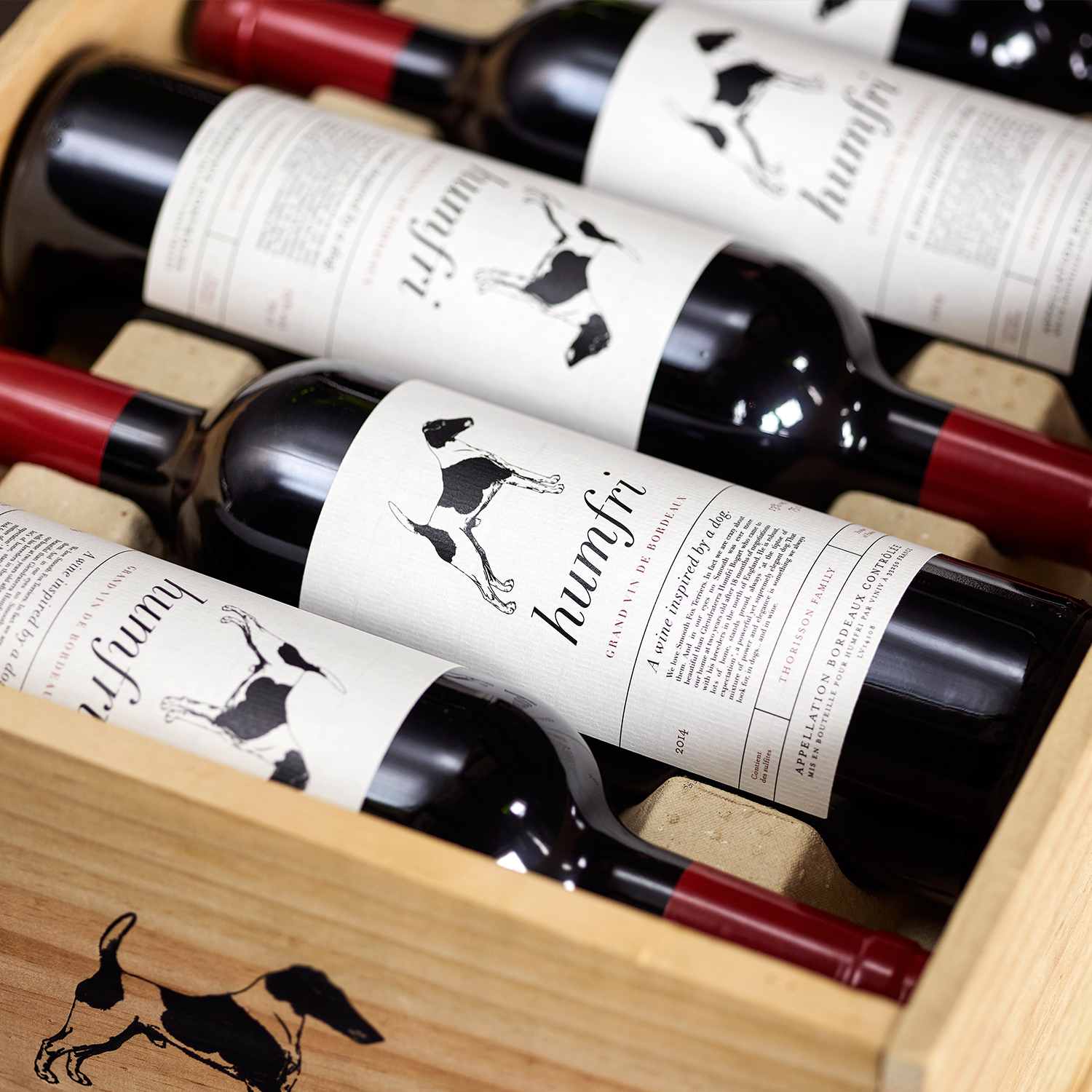
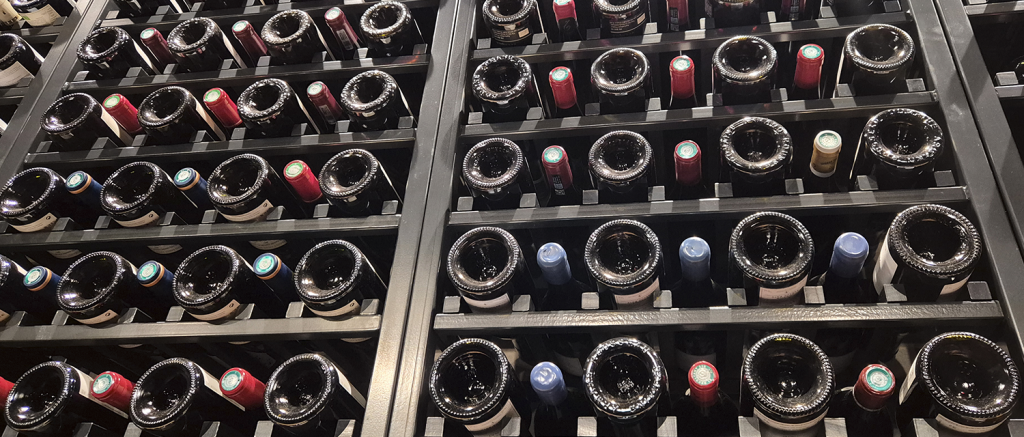
Bottle position is essential when storing wine. Bordeaux wines sealed with a natural cork must be stored horizontally so the cork remains in contact with the wine and does not dry out. It is recommended to properly fit out your storage area, with wine racks for example. Good organization ensures bottle stability, optimal storage conditions, and a suitable environment for aging fine wines.
You should also keep bottles away from sources of strong odors (solvents, fuel, cleaning products, or strongly scented foods). Cork is porous and can allow volatile compounds from the surrounding environment to pass through, potentially altering the aromas of your Bordeaux wine and leading to disappointment at tasting.
While an underground cellar remains the ideal solution, electric wine cabinets are a reliable alternative, capable of reproducing optimal conditions for wine storage.
3. Understanding a Wine’s Aging Potential
Not all Bordeaux wines are intended to be aged. Understanding each cuvée’s aging potential helps avoid drinking a wine too early or too late. This depends on the components chosen during blending and the stylistic vision of the winemaker. Depending on the dominant grape varieties, a Bordeaux wine may reach balance after three, five, or ten years. Age-worthy wines, however, can improve for decades when stored under the right conditions.
Creating your own wine with VINIV also means learning how to adapt storage to its aging potential. Bordeaux wines with strong tannic structure or pronounced acidity can evolve beautifully, provided they are protected in a stable environment. Proper temperature and humidity management allows them to develop complex tertiary aromas typical of great Bordeaux wines.
At the end of your VINIV experience, our oenology experts retain samples of your wine and advise you on when it has reached its full potential.
Please note: improper opening or decanting can damage a delicate wine, even if it has been perfectly stored.
In Summary: How to Properly Store Wine
Proper wine storage relies on a few simple but essential rules:
- A stable temperature around 12°C (54°F)
- Humidity between 65% and 75%
- Protection from light and vibrations
- Appropriate bottle storage, laid horizontally and away from odors
Respecting these conditions helps preserve wine quality, support its evolution over time, and allow age-worthy wines to mature gracefully. With VINIV, you learn to master wine storage while creating your own Bordeaux wine.