The Bordeaux region is renowned throughout the world not only for the quality of its wines, but also for the diversity and complementarity of its grape varieties. A Bordeaux wine is rarely made from a single grape variety. Instead, wine blending lies at the heart of Bordeaux’s identity. To understand how these exceptional cuvées are crafted, it is essential to become familiar with the distinctive characteristics of each Bordeaux grape variety.
The Role of Bordeaux Grape Varieties in Wine Blending
Unlike many wine regions around the world, Bordeaux wines are rarely produced from a single grape variety. This is one of the defining characteristics of the region. Wine blending, which combines several grape varieties, is a delicate exercise in balance that relies on the complementarity of Bordeaux grape varieties to enhance aromatic complexity and improve a wine’s ageing potential.
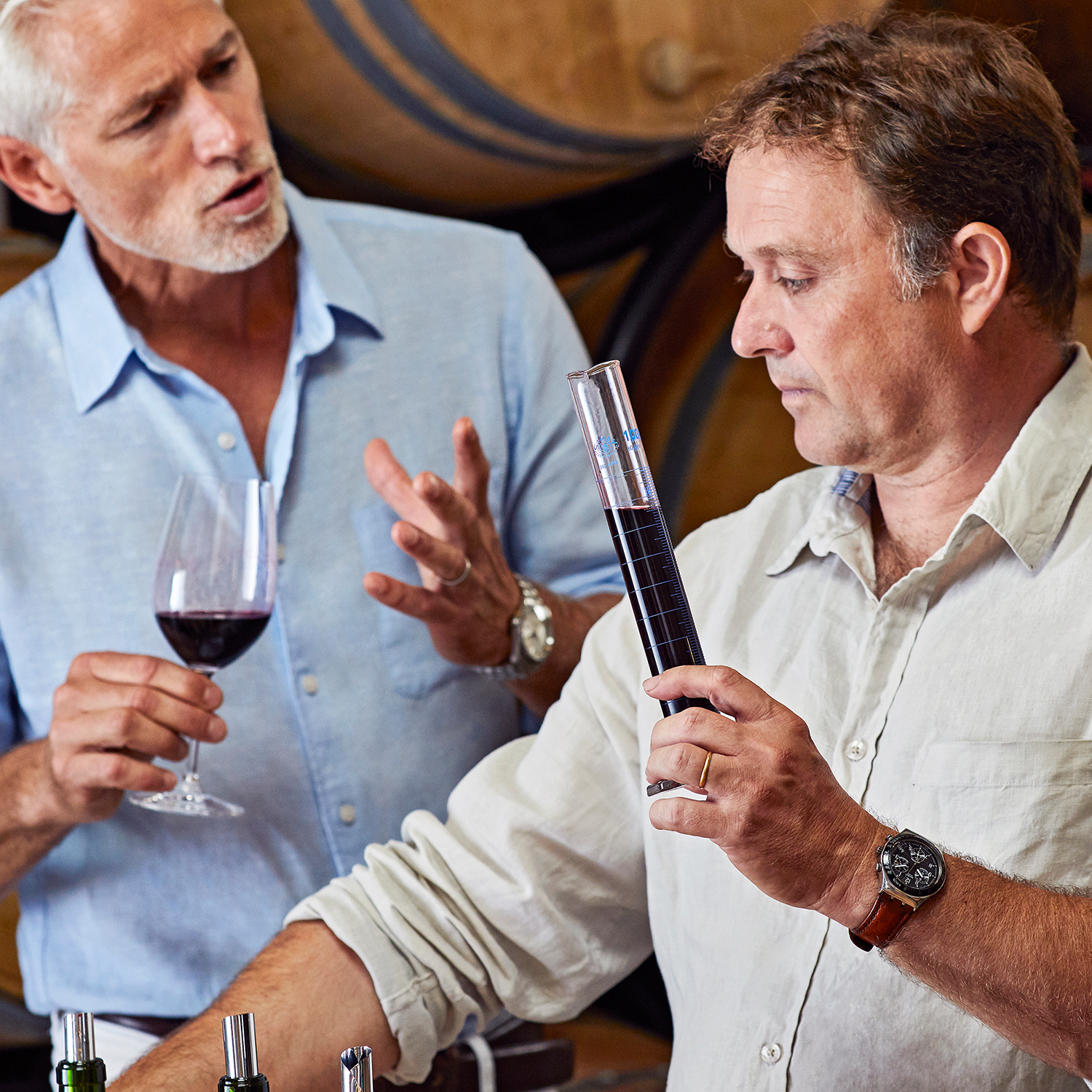
During their VINIV experience, members discover the characteristics of the region’s different grape varieties. Some contribute structure and tannins, while others bring roundness, freshness, or aromatic expression. This balance between the various Bordeaux grape varieties not only creates harmonious wines but also allows winemakers to adapt to the climatic variations of each vintage. Wine blending is the signature of Bordeaux expertise and the foundation of the VINIV experience, where you learn to create your own wine.
Bordeaux Red Grape Varieties and Their Characteristics
The great red wines of Bordeaux are built around three principal grape varieties:
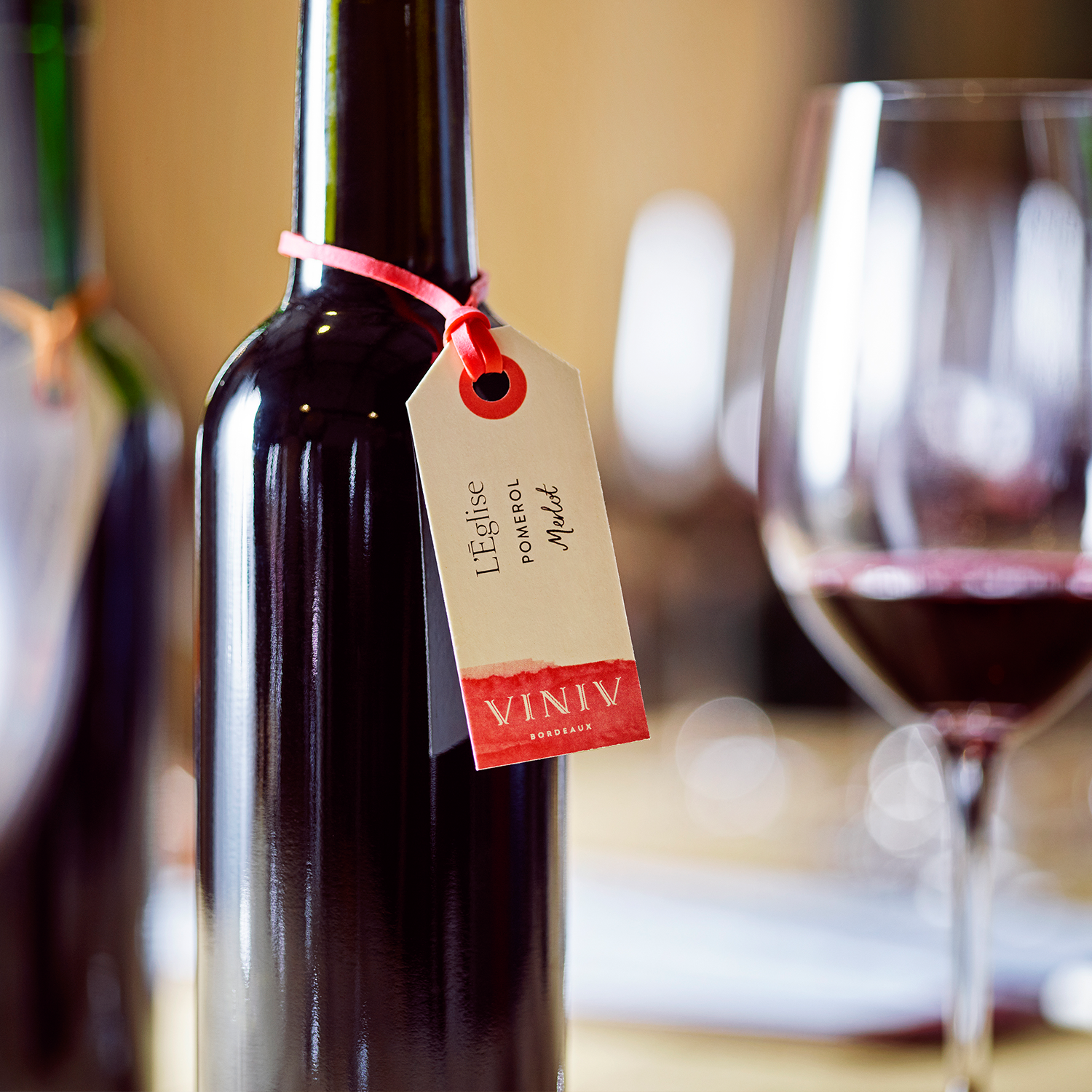
- Merlot, the dominant red grape variety in Bordeaux, particularly on the Right Bank, produces supple, generous, fruit-driven wines with notes of cherry and plum. It helps soften tannic structure and makes wines approachable at an earlier stage.
- Cabernet Sauvignon, the emblematic red grape variety of the Left Bank, is renowned for its power and structure, with aromas of blackcurrant, cedar, and spice. It gives Bordeaux wines their remarkable ageing potential.
- Cabernet Franc, more refined and aromatic in character, contributes freshness, elegance, and complexity, with notes of red berries and flowers. It plays a vital role in achieving balance within a blend.
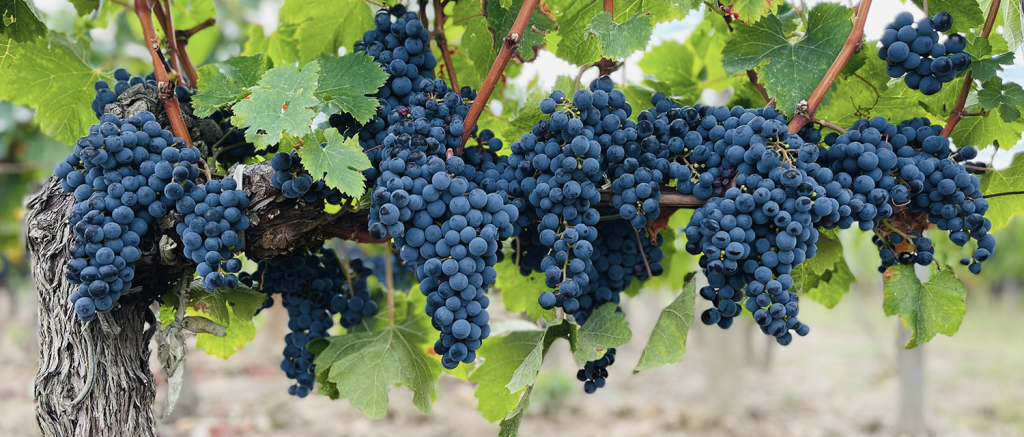
Alongside this trio, several lesser-used red grape varieties are incorporated in smaller proportions. Their role is to refine the blend by enhancing colour, structure, or aromatic nuances. Used with precision, they can have a significant impact on the final complexity of a Bordeaux wine.
- Petit Verdot contributes deep colour, structure, and distinctive spicy notes to Bordeaux wines.
- Malbec brings power, richness, and colour to the blend.
- Carménère is a historic Bordeaux grape variety that nearly disappeared following the phylloxera crisis. In wine blending, it contributes richness, colour, and aromas of dark fruits and spice.
Let's Talk Wine!
The phylloxera crisis, which devastated European vineyards from the 1860s onwards, profoundly reshaped the composition of Bordeaux vineyards. Faced with this destructive insect, winemakers replanted their vines onto resistant American rootstocks. Carménère, a delicate and sensitive red grape variety, was gradually abandoned and came close to disappearing altogether.
Interest in Carménère was revived in the 1990s thanks to Chile, where the variety had been exported before the crisis and successfully preserved. This period marked a decisive turning point in the selection of grape varieties that continue to define Bordeaux wine blends today.
Bordeaux White Grape Varieties and Their Characteristics
The great white wines of Bordeaux are also built around three principal grape varieties.
- Sauvignon Blanc is a vibrant and highly aromatic Bordeaux white grape variety. It develops aromas of citrus fruits, exotic fruits, and occasionally boxwood. In wine blending, it plays a crucial role by contributing freshness, acidity, and aromatic intensity, making it an essential component of dry white Bordeaux wines.
- Sémillon is distinguished by its rich, generous, and textured profile. It offers aromas of honey, candied fruit, and beeswax and forms the backbone of many Grand Vins de Bordeaux in the sweet wine category.
- Muscadelle, more delicate in character, is a finely perfumed Bordeaux white grape variety with notes of white flowers and fresh grapes. Used sparingly, it enhances the aromatic bouquet and adds an extra layer of complexity to a blend.
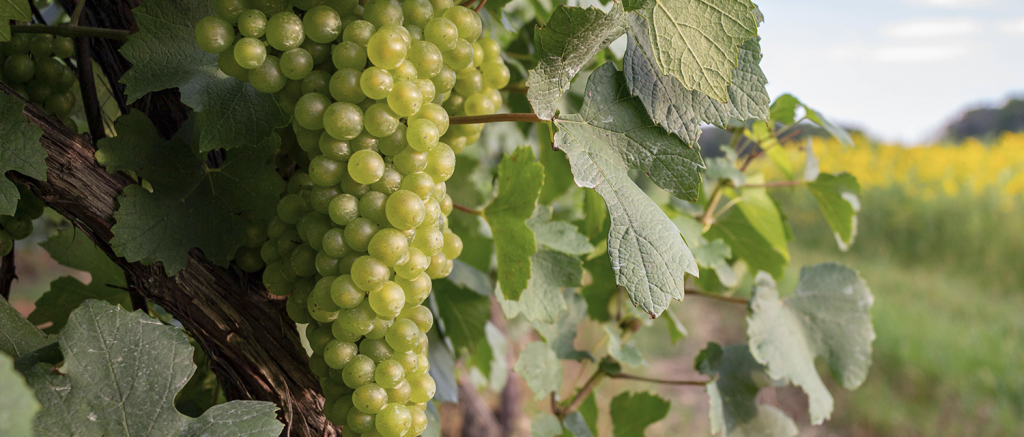
Bordeaux grape varieties offer an extraordinarily rich palette of expressions, which winemakers blend with precision to create harmonious and expressive wines. Each variety plays a specific role, and their complementarity is central to the international reputation of Bordeaux wines, reflecting centuries of expertise and tradition.
Understanding the distinctive characteristics of Bordeaux grape varieties is an essential first step before you create your own wine with VINIV. It provides a deeper understanding of the DNA of Bordeaux wines and allows you to appreciate their remarkable complexity and nuance.