

Châteaux To Visit

Châteaux To Visit

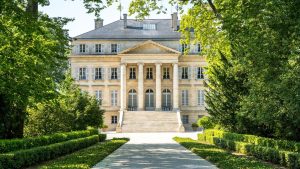
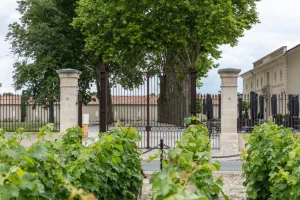
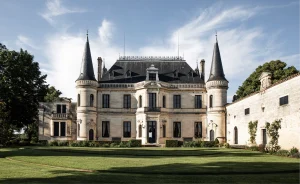
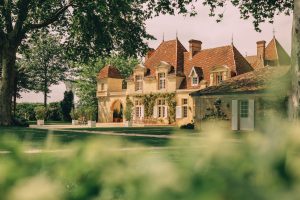
No trip to Bordeaux is complete without a visit to some of the great wine estates. Accessing them, however, is not always easy. Since all classified growths and the best Pomerol properties sell their wines exclusively via local merchants, they have less of an incentive to open their doors to consumers. Compared to other famous wine regions in the world, wine tourism in Bordeaux remains a nascent industry. But a number of estates understand the importance of connecting with their clients and welcome visitors. 

See some of our favourites below, and make sure to look at our section on Preparing for Châteaux Visits found in the Before You Go section.

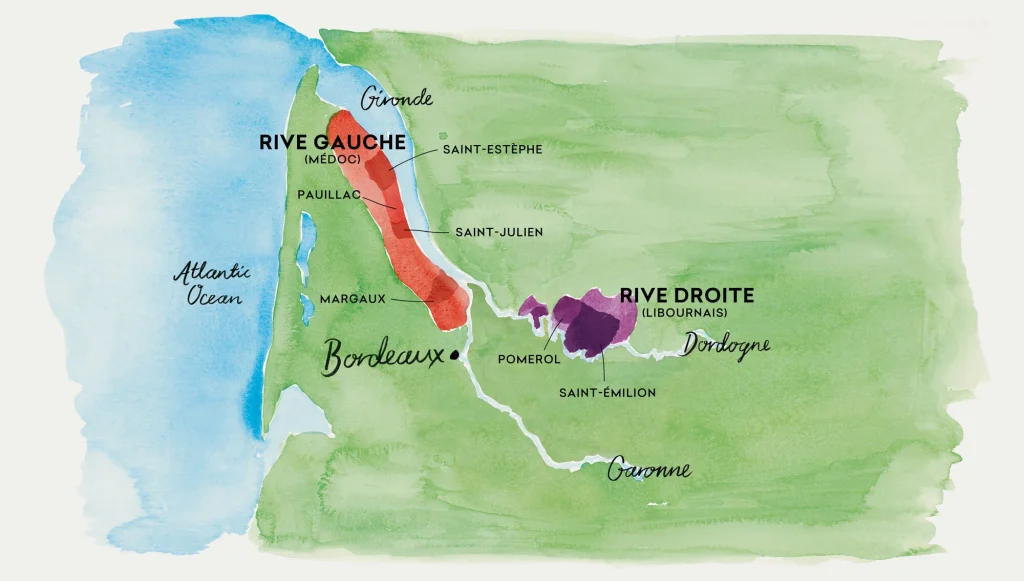
Carte

Saint-Estèphe

Cos d’Estournel
Château Ormes de Pez

In the Cazes family since 1940 and sister estate of Lynch-Bages, this 18th-century château takes its name from a now-vanished grove of elm trees (Ormes in French).

Pauillac

Château Duhart Milon

4th Grand Cru Classé of Pauillac since 1855, Duhart Milon has been owned by Domaines Barons de Rothschild (Lafite) since 1962. A direct neighbour of Lafite, it shares its cooperage, technical team and the spirit of finesse and freshness that defines the Milon hillside.

Château Grand Puy Ducasse

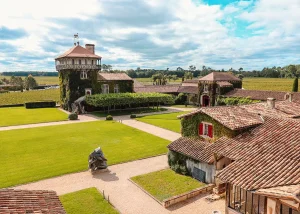
5th Grand Cru Classé of Pauillac since 1855, Grand Puy Ducasse is the only château whose cellar and winery stand directly on the Pauillac quayside facing the estuary. Owned by CA Grands Crus since 2004, it inaugurated its Renaissance oenotourism project in July 2024.

Château Lafite Rothschild
Premier Grand Cru Classé of Pauillac, in the Rothschild family since 1868. With a centuries-old history, deep gravel terroir and its own cooperage, Lafite is the archetype of Bordeaux finesse.
Château Lynch-Bages

5th Grand Cru Classé of Pauillac, owned by the Cazes family since 1939. Planted on a superb gravel hilltop overlooking the estuary, it produces generous, expressive wines that are true icons of the Médoc.

Château Mouton Rothschild

The only Premier Grand Cru Classé promoted in 1973. Since 1945, each label features an original artwork. A legendary estate combining outstanding viticulture with artistic patronage, on the gravels of Pauillac.

 
Château Pichon Baron

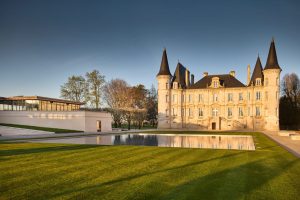
2nd Grand Cru Classé of Pauillac, founded in 1694. Its romantic 19th-century turreted château, innovative gravity-flow cellar and rigorous plot-by-plot approach make it an absolute benchmark of the Médoc.

Saint-Julien

Château Beychevelle

4th Grand Cru Classé of Saint-Julien, nicknamed the “Versailles of the Médoc”. Its wines of rare elegance, rooted in the deep Gironde gravels, carry the heritage of the legend of the lowered sails.

Château Branaire-Ducru

4th Grand Cru Classé of Saint-Julien since 1855, owned by the Maroteaux family since 1988. Its “House Signature” combining fruit, freshness and elegance is instantly recognisable. In 2024, a new cellar featuring 65 gravity-fed suspended stainless steel vats was inaugurated.

Château Ducru Beaucaillou

2nd Grand Cru Classé of Saint-Julien, owned by the Borie family since 1942. Nestled on the banks of the Gironde, this Directoire-style estate combines architectural elegance with an absolute quest for perfection in the glass.

Château Gruaud Larose

2nd Grand Cru Classé of Saint-Julien, founded in 1725. Owned by the Merlaut family since 1997, this 82-hectare estate produces powerful, silky wines known as “the Wine of Kings, the King of Wines.”

Château Léoville Barton

2nd Grand Cru Classé of Saint-Julien since 1855, Léoville Barton is one of the very few Médoc families to have owned their estate for 200 years, since Irishman Hugh Barton in 1826.

Château Léoville Poyferré

2nd Grand Cru Classé of Saint-Julien, owned by the Cuvelier family since 1920. Its wines of great intensity, carefully aged in a renovated cellar, are among the most admired in the appellation.

Margaux

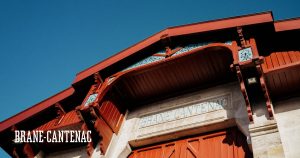
Château Brane-Cantenac

2nd Grand Cru Classé of Margaux, owned by the Lurton family for four generations. On the famous gravel slopes of Cantenac, Henri Lurton perpetuates the legacy of the “Napoleon of the vines” with a spirit of tradition and elegance.

Château Dauzac

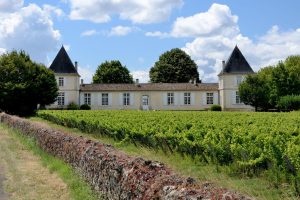
5th Grand Cru Classé of Margaux, owned by the Roulleau family since 2020. Its 49-hectare single-block vineyard and iconic yellow label make it an estate as distinctive as it is resolutely innovative.

Château Giscours

3rd Grand Cru Classé of Margaux since 1855, Giscours is one of the Médoc’s largest estates with 300 ha including 102 under vine. Owned by the Albada Jelgersma family since 1995, its Renaissance-style château, park and oenotourism offer make it a unique destination in the appellation.

Château Margaux

The only Premier Grand Cru Classé of the Margaux appellation, owned by the Mentzelopoulos family since 1977. This 265-hectare estate with its neo-Palladian château is one of the greatest icons in the world of wine.

Château Marquis de Terme

4th Grand Cru Classé of Margaux, owned by the Sénéclauze family since 1935. This centuries-old estate combines Bordeaux rigour with creative spirit, enriched by a gastronomic restaurant and exceptional stays.

Château Palmer

3rd Grand Cru Classé of Margaux, co-owned by the Mähler-Besse and Sichel families since 1938. A Médoc pioneer in biodynamics since 2014, it produces wines of velvety texture and timeless elegance.

Château Rauzan-Ségla

2nd Grand Cru Classé of Margaux, owned by the Wertheimer family (Chanel) since 1994. This intimate estate at the heart of the estuary reveals a secret terroir shaped by millennia of marine, lagoon and delta formations.

Pomerol

Château Beauregard

A great Pomerol estate owned by the Moulin and Cathiard families since 2014. Its Napoleonic manor house with moat, 17.5-hectare organic vineyard and art de vivre make it a benchmark on the Right Bank.

Château Clinet
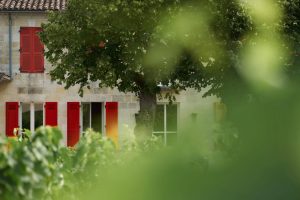
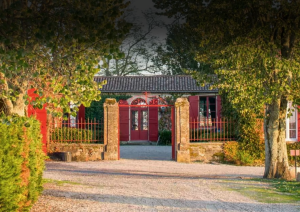
A historic Pomerol estate at the heart of the plateau, owned by the Laborde family since 1998. Passionately led by Ronan Laborde since 2003, it produces wines of intense complexity, recognisable by its red shutters and rose bushes.
Château Gazin
One of the largest crus in Pomerol, with 26 contiguous hectares on the high terrace of the appellation. Owned by the de Bailliencourt family since 1918, it borders Pétrus itself and produces wines of classic elegance.
Château La Conseillante
A jewel of Pomerol in the Nicolas family since 1871. Its 12 hectares on the edge of Saint-Émilion, on grey clay and sandy gravel soils, yield wines of rare finesse with a signature scent of violets.

Saint-Émilion

Château Angélus
A historic Premier Grand Cru Classé A of Saint-Émilion, the work of the de Boüard de Laforest family for eight generations. Its natural south-facing amphitheatre, artistic patronage and unique sonic identity make it a truly extraordinary estate.
Château Beau-Séjour Bécot
Premier Grand Cru Classé B of Saint-Émilion, in the Bécot family since 1969. Planted on the limestone plateau of Saint-Martin-de-Mazerat, it conceals beneath its vines seven hectares of exceptionally rare troglodytic cellars.
Château Cheval Blanc
An absolute Right Bank icon, Cheval Blanc has been one of the rare Premier Grand Cru Classé A since 1954. Owned by LVMH and the Frère family, its cellar by architect Christian de Portzamparc is a masterpiece of sustainable design.
Château La Croizille
Saint-Émilion Grand Cru Classé of the De Schepper family since 1996. Nestled on a limestone ridge, this 5-hectare family estate combines a remarkable contemporary cellar with panoramic views over the vineyard.
Château La Gaffelière
Historic Saint-Émilion Grand Cru, in the de Malet-Roquefort family for over three centuries. Its “golden triangle” terroir nestled between the hills of Pavie and Ausone produces wines of remarkable finesse and elegance.
Le Dôme
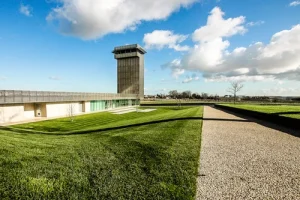
An iconic Saint-Émilion garage wine created by Jonathan Maltus in 1996. Its 40-metre dome-shaped winery designed by architect Lord Norman Foster, and its dominant 80% Cabernet Franc, make it an icon of the Right Bank.
Château de Pressac
Grand Cru Classé of Saint-Émilion perched on its plateau for more than six centuries. Its name was given to a grape variety. Vine and time are inseparably linked at this historically significant estate.
Château Troplong Mondot
Premier Grand Cru Classé B of Saint-Émilion at the summit of the hill, owned by the SCMP group since 2017. A Michelin-starred restaurant, luxury accommodation and exceptional wines from the famous Agenais molasse clays make it a truly unique destination.

Pessac-Léognan

Château Les Carmes Haut-Brion
A Grand Cru de Graves in Pessac-Léognan, owned by the Pichet Group since 2010. The only vineyard with an address in the city of Bordeaux itself, this walled estate with its singular terroir produces a wine of floral elegance and absolute originality.
Château Carbonnieux
Grand Cru Classé in both red and white, Carbonnieux is one of Bordeaux’s oldest and largest estates, owned by the Perrin family since 1956. Its vineyard, equally split between red and white, represents the largest white wine surface among the Classified Growths.
Domaine de Chevalier
Grand Cru Classé de Graves in red and white, owned by the Bernard family since 1983. Nestled in a forest setting in Léognan, this estate produces one of the world’s greatest dry white wines alongside reds of remarkable depth.
Château Haut-Bailly
Grand Cru Classé de Graves in Léognan, owned by the Wilmers family since 1998 and managed by Véronique Sanders. Exclusively devoted to red varieties, the estate treasures a rare jewel: 4 hectares of century-old vines planted with multiple grape varieties.
Château Haut-Brion
The only 1855 Premier Grand Cru Classé outside the Médoc, Haut-Brion is also a Classified Cru de Graves. Owned by the Dillon family since 1935, this eldest of Bordeaux’s great growths benefits from a unique gravel terroir in the heart of the Pessac urban area.
Château Smith Haut Lafitte
Grand Cru Classé de Graves in Martillac, owned by Daniel and Florence Cathiard since 1990. A pioneer in bio-precision, this 87-hectare single-block estate combines viticultural excellence, an on-site cooperage and a world-renowned spa.

Sauternes & Barsac

Château Climens
Premier Grand Cru Classé of Barsac since 1855, Climens is nicknamed the “Lord of Barsac”. Planted 100% with Sémillon and farmed biodynamically since 2010, it has changed hands only five times in five centuries, a near-unique continuity among the great growths.
Château Coutet
Premier Grand Cru Classé of Barsac since 1855, Coutet is the appellation’s largest vineyard at 38.5 hectares. Owned by the Baly family since 1977, it produces a Barsac of unique mineral character, fresher and livelier than some of its Sauternes neighbours.
Château Guiraud
Premier Grand Cru Classé of Sauternes since 1855, Guiraud was the first in its category to obtain organic certification (2011). Co-owned by Olivier Bernard and Robert Peugeot since 2006, it is a biodiversity pioneer with its 1,800 m² garden.
Château Sigalas Rabaud
Premier Grand Cru Classé of Sauternes since 1855, Sigalas Rabaud is the smallest of the first growths with only 14 hectares. Managed sustainably, this “jewel of Sigalas” also offers guest rooms within a 17th-century chartreuse.
Château Yquem
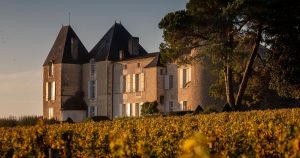
The only Premier Cru Supérieur of Sauternes since 1855, Yquem is the world’s most celebrated sweet wine. Owned by LVMH since 1996, this listed historic monument produces barely one glass of wine per vine and ages its wines for over three years in barrel.